REVIEW · KOCHI
Cultural Tour To Vaikom Village
Book on Viator →Operated by Globes Travel · Bookable on Viator
Kerala’s backwaters feel personal in Vaikom. This 5–6 hour village day pairs the historic Vaikom Mahadeva Temple with hands-on artisan craft stops and a small canoe backwater segment that’s hard to match. I like that the day moves at a calm pace, with real village life at the center, not just quick photo stops.
I’m also drawn to the craft focus: you’ll see people making hand-spun, hand-woven textiles and you’ll watch a local potter create clay pots and vases with ethnic designs. The lunch is included too, so you can budget your time and energy without hunting for food mid-tour.
One thing to plan for: you’ll do some walking and you’ll spend time on the water, so moderate fitness helps, and the boat portion is weather-dependent. If conditions turn, the tour may shift dates, so keep your schedule flexible.
In This Review
- Key things to know before you go
- Vaikom village and the Mahadeva Temple stop
- Open-boat backwaters and the canoe ride close-up
- Khadi weaving at the weaving centre: what you’ll actually see
- Coir ropes and pineapple-leaf mats: everyday materials in action
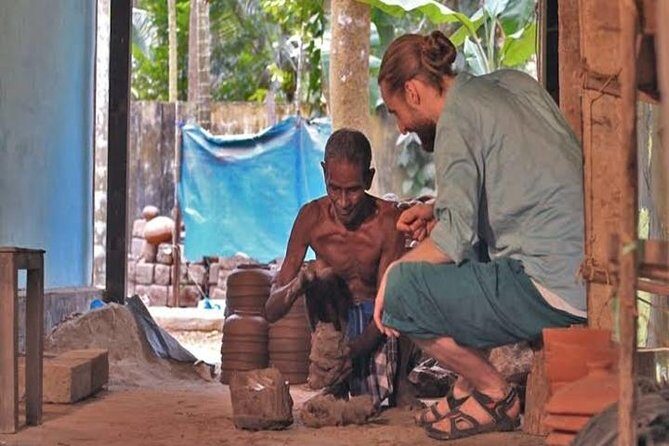
- Pottery in Vaikom: clay pots and vases with ethnic designs
- Traditional Kerala lunch and how to spend any extra village time
- Price and value for a private half-day culture tour from Kochi
- Best for: who should book this Vaikom village day
- Should you book this Vaikom Village cultural tour?
- FAQ
- How long is the Vaikom Village cultural tour?
- What time does the tour start, and where does it meet?
- Is the tour private?
- What’s included in the price?
- Is lunch included?
- Do I need tickets for the temple stop?
- What is not included?
- What should I bring if I’ll be on the water?
- What if the weather is bad?
- What is the cancellation policy?
Key things to know before you go
- Small canoe backwaters for a close-up look at canals and water life like fish, turtles, and frogs
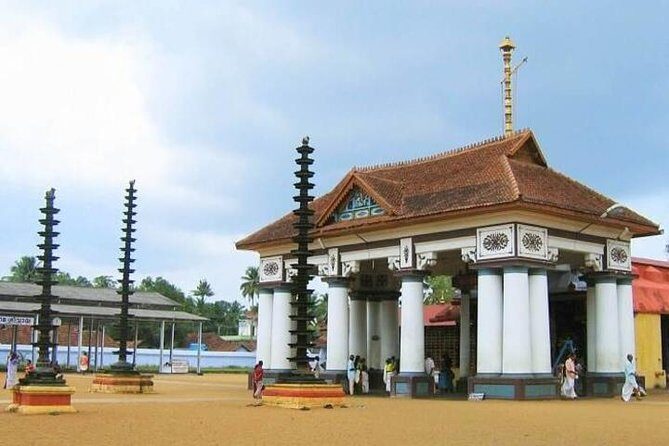
- Vaikom Mahadeva Temple visit to an old Shiva temple near the town of Vaikom
- Khadi Weaving Centre demonstrations using cotton, silk, or wool yarns and traditional hand techniques
- Coir ropes and pineapple-leaf mats made from dried coconut husks and wild pineapple leaves
- Potter’s hands-on craft as clay becomes everyday pots and decorative vases
- All-in planning basics with an air-conditioned vehicle, bottled water, and a traditional Kerala lunch included
Vaikom village and the Mahadeva Temple stop
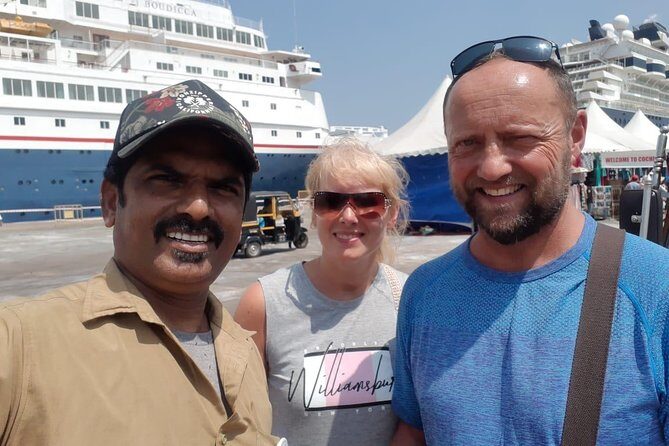
Your day starts in Kochi at C.P.T Junction / Halt, Willingdon Island at 8:30 am, then you’re whisked by air-conditioned private vehicle toward Vaikom. The drive matters because it sets the mood: you’re moving from the port area into countryside and backwater country where village life feels slower.
The first cultural anchor is the Vaikom Mahadeva Temple, one of Kerala’s well-known and oldest Shiva temples. You’re not just ticking off a landmark. This is the kind of stop that gives context for the whole outing, because the crafts, homes, and daily rhythms you’ll see later belong to people who have lived in this religious and agricultural landscape for a long time.
What I like about this temple portion is that it’s integrated, not isolated. It gives your eyes something solid to focus on before you shift into textiles, pottery, and the backwater waterways that feed the region’s economy and routine. The main consideration is timing: you’ll have a set window, so wear comfortable clothing and keep your pace steady if you’re also planning to walk afterward.
Other Kumbalangi village tours we've reviewed in Kochi
Open-boat backwaters and the canoe ride close-up
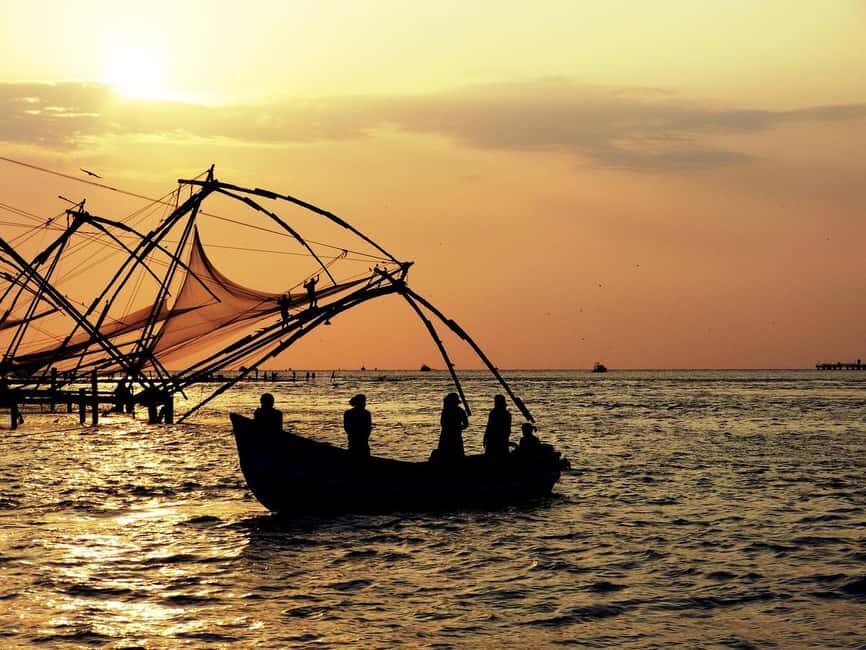
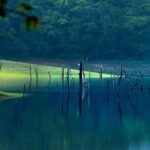
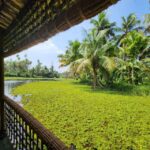
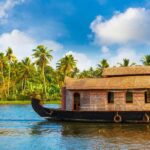
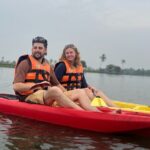
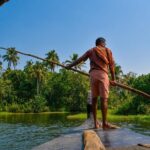
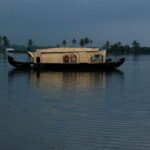
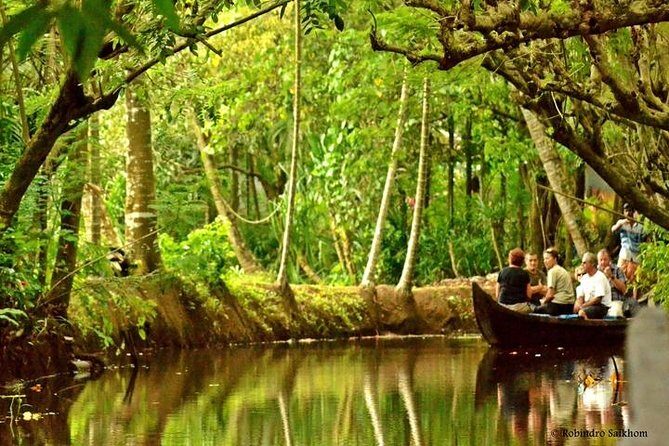
This is the part people remember, and for good reason. The tour includes a backwater cruise using an open country boat through narrow canals, then you’ll also do a canoe ride. The open boat gives you an easy, relaxing glide. The canoe segment is where the experience gets tight, close, and real.
In the canals, you’re not looking at backwaters from far away. You get the chance to spot water life like fishes, water snakes, shellfish, tortoises, and frogs. You shouldn’t expect constant sightings, but the setup gives you better odds than a large, fast tour boat. I love that the tour’s water time is framed as a chance to observe local nature, not a race to the next stop.
Why this works for you: backwaters are easier to understand when you see how narrow the channels can be. Those tight passages help you feel how villages are connected to water for daily travel, work, and resources. Also, a smaller boat often means fewer barriers between you and what’s around you.
One practical caution: bring a light layer if it’s breezy, and keep your phone secured. Water trips tend to involve spray and shifting footing. Most importantly, the tour requires good weather for the boat portion, so if conditions aren’t right, you may be offered a different date or a refund.
Khadi weaving at the weaving centre: what you’ll actually see
After the temple and water time, the day shifts into hands-on craft viewing. You’ll stop briefly at a Khadi Weaving Centre to watch villagers produce hand-spun and hand-woven cloth.
This isn’t just a showroom. You’ll see yarn coming from raw materials like cotton, silk, or wool, and then you’ll be shown how the weaving turns that yarn into fabric. Even if you don’t know the technical terms, the process is visually clear: fiber becomes thread, thread becomes cloth, and the loom becomes the machine that turns labor into a finished product.
What I like here is the variety of materials. It helps you understand that traditional weaving isn’t one single style. It’s adaptable to what people have access to. It also gives you something more meaningful to look for during the rest of the day, because you’ll notice the theme of using local inputs and producing value through skill.
Keep in mind that this stop is brief. You’ll likely have enough time to observe and ask questions, but you won’t get a long workshop-style session. If you’re the type who loves deep, extended demonstrations, you’ll probably want extra time later, after the tour day ends.
Coir ropes and pineapple-leaf mats: everyday materials in action
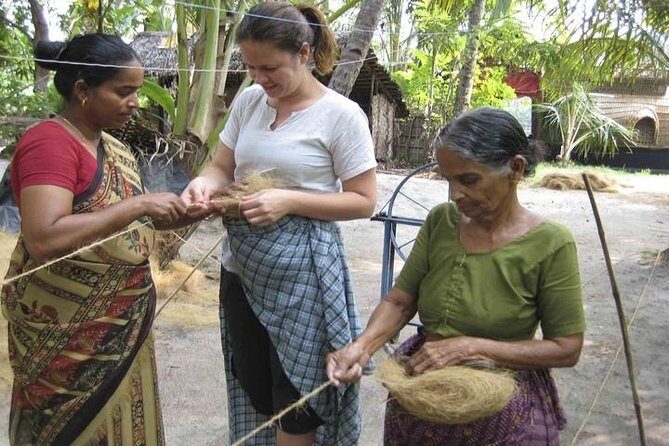
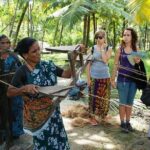
One of the tour’s strongest points is that it shows crafts tied directly to what grows around you. You’ll see women weave coir ropes from dried coconut husks. That matters because coir isn’t a random craft item. It’s a practical material used for everyday life, and the process turns what would be waste into something useful and saleable.
You’ll also get to see straw mats woven out of wild pineapple leaves. This is the kind of detail that makes the day feel grounded. It’s not only about famous artifacts; it’s about household-level production—skills people build into routine.
How to get the most out of this segment: watch hands, not just results. The most interesting part is often the small movements and the time-saving techniques people use so the weaving stays consistent. If you’re curious, ask simple questions through your guide about materials and how long each step takes. Even basic context makes the craft feel more real and less like a performance.
Possible drawback: craft stops can feel a little fast if you’re hungry for a slow, museum-style pace. The tour balances many elements in one afternoon, so treat each craft as a peek, not a full course.
Pottery in Vaikom: clay pots and vases with ethnic designs
Next up is the potter, creating pots and vases with ethnic designs in clay. This stop pairs well with the textile and weaving pieces because it shows the same logic from a different angle: local materials become useful objects, and artistic motifs show local identity.
Pottery also gives you a different sensory experience. Textiles are mostly visual and tactile through the cloth. Pottery brings texture, form, and visible stages of making—shaping, detailing, and refining. Even if you don’t purchase anything, watching the work helps you understand why handmade items often cost more than factory alternatives. It’s not just decoration; it’s labor plus skill.
This is also a good point to be mindful of practicalities. If you buy anything, packaging and transport can matter because you’ll be returning to the same meeting point after the day ends. The tour doesn’t mention any shopping time for returns, so keep purchases light if you’re sensitive to luggage space.
Other historical tours in Kochi


Traditional Kerala lunch and how to spend any extra village time
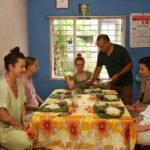
A traditional Kerala lunch is included, along with bottled water. That inclusion is a big deal for value and comfort because you’re not timing your own meal hunt between stops. It also helps keep the pace gentle—your energy stays steady for the final stretch of walking around the village area.
Whether you get extra time after lunch depends on how the day runs, but if you have it, you can spend it around the village. That’s the real bonus in a tour like this: you’ve already learned what to notice (water life, weaving methods, pottery), so extra minutes are no longer just waiting time. You can use them to look at everyday life with better understanding.
If you’re planning your day around the tour, I’d keep a light evening schedule afterward. Even with a 5–6 hour duration, your brain absorbs a lot: temple sights, water movement, and multiple craft processes.
Price and value for a private half-day culture tour from Kochi
At $106.67 per person, this tour sits in the mid-range for cultural experiences out of Kochi. The price makes sense when you break down what you’re getting: air-conditioned transport, lunch, bottled water, and all fees and taxes are included, so you’re not adding costs at the last minute.
You also get a private tour/activity, meaning only your group participates. That can be worth a lot if you travel with friends or family and you care about having room to hear explanations and move at a comfortable pace.
There’s also a clue that the tour is popular with planners: it’s booked on average 36 days in advance. That usually indicates steady demand, so if you’re traveling during peak periods, locking in earlier helps.
What’s not included is simple: alcoholic beverages. If you drink alcohol, plan to purchase separately.
My quick value verdict: this is a good use of money if you want cultural context plus a standout backwater water segment. If you only care about temple photos and don’t care about crafts, it may feel like too many stops. If you like textiles, pottery, or small-craft nature time, it’s a strong fit.
Best for: who should book this Vaikom village day
This tour suits people who want to see how Kerala life connects religion, water, and handmade work in one afternoon. You’ll enjoy it most if you like watching process: looms at work, fibers becoming cloth, clay becoming objects, and canals carrying local life.
You should also be comfortable with a moderate physical fitness level. The day includes walking through the village and time on water. If you have mobility limitations, you may find it harder than the typical city-based tour.
Finally, plan around weather. Because the experience depends on good conditions for the boat parts, it’s best for travelers who can adjust a little if the schedule shifts.
Should you book this Vaikom Village cultural tour?
I think this is a book-worthy half day if you want the backwaters close-up and you like learning how everyday craft skills support livelihoods. The canoe-and-canal approach is the big differentiator, and the craft stops give you more than a scenic detour. You’ll leave with ideas you can actually picture: coir rope making, weaving with cotton/silk/wool, pineapple-leaf mat work, and clay pottery with ethnic designs.
Skip it if you want a long, unhurried workshop style day, or if you prefer only indoor stops. Also, if you’re traveling with very limited mobility, consider whether the walking and water time will feel comfortable.
FAQ
How long is the Vaikom Village cultural tour?
The tour lasts about 5 to 6 hours.
What time does the tour start, and where does it meet?
It starts at 8:30 am at C.P.T Junction / Halt, Willingdon Island, Kochi, Kerala 682029, India.
Is the tour private?
Yes. It’s described as a private tour/activity, and only your group participates.
What’s included in the price?
Included are bottled water, lunch, air-conditioned vehicle, and all fees and taxes.
Is lunch included?
Yes. You’ll have a traditional Kerala lunch included.
Do I need tickets for the temple stop?
The experience notes an admission ticket status as free for the stop.
What is not included?
Alcoholic beverages are not included.
What should I bring if I’ll be on the water?
The tour includes boat and canoe rides, so it’s smart to plan for being on water and bring items you’d want for comfort and safety. The tour does provide bottled water, but it doesn’t list specific gear.
What if the weather is bad?
The experience requires good weather. If it’s canceled due to poor weather, you’ll be offered a different date or a full refund.
What is the cancellation policy?
You can cancel for a full refund up to 24 hours before the experience starts. If you cancel less than 24 hours before, the amount paid is not refunded.