REVIEW · KOCHI
Fortkochi Heritage Walking tour with a local guide
Book on GetYourGuide →Operated by Biju's Tours · Bookable on GetYourGuide
Old Kochi has a way of pulling you in. This Fort Kochi heritage walking tour turns colonial streets, spice warehouses, and Jewish quarter lanes into a story you can actually walk through.
I especially love the storytelling-led approach and the fact that your guide is a local from Old Kochi, sharing details you won’t get from a quick photo stop. Second, I like the practical variety: you’ll see the spice trade legacy, plus hands-on artisan moments like papadam and candle-making, and even the everyday rhythm of Dhobi Khana laundry.
One thing to plan for: it’s a 3 to 3.5 hour walking experience with some short tuk-tuk rides, so it’s not a good match if you have mobility limits, back issues, or you’d struggle with heat and uneven walking.
In This Review
- Quick Hits: What Makes This Tour Worth Your Time
- Where Fort Kochi, Mattancherry, and Jew Town Feel Different on Foot
- Meeting Point at Kashi Art Café: Start the Walk Like a Local
- Following Kochi’s Spice Trade Legacy, Step by Step
- Artisan Stops You Can Actually Picture: Papadam, Candles, and More
- Colonial-Era Buildings and the Dutch Palace Detail You Should Look For
- The Freedom Fighters’ Jail Stop: Small Monument, Big Context
- Jew Town and Paradesi Synagogue: Community Stories Beyond One Building
- Chinese Fishing Nets, Street Life, and the Stuff You’d Walk Past
- Timing, Pace, and Why 3 Hours Works Better Than a Half Day
- Price and Value: What $25 Actually Buys You
- When Closures and Heat Affect Your Day
- What to Bring, and the Dress Code That Keeps the Tour Smooth
- Who This Tour Fits Best (and Who Might Want Another Option)
- Should You Book This Fort Kochi Heritage Walk?
- FAQ
- How long is the Fort Kochi heritage walking tour?
- What’s included in the tour price?
- Are tuk-tuk rides included?
- Is entry to Paradesi Synagogue included?
- What happens if I book for a Friday or Saturday?
- What should I bring and wear?
Quick Hits: What Makes This Tour Worth Your Time
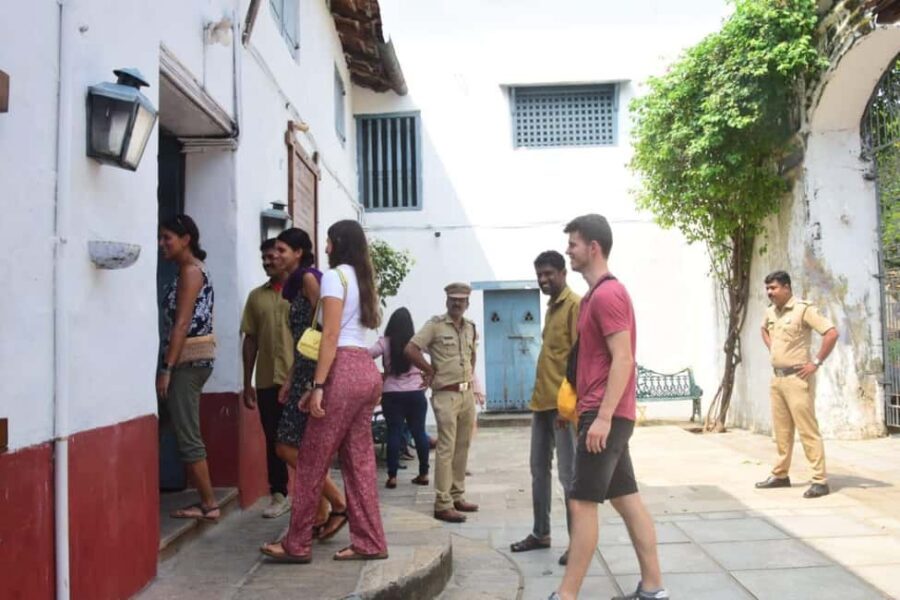
- Local guide storyteller from Old Kochi who connects architecture, food, and daily life to real history
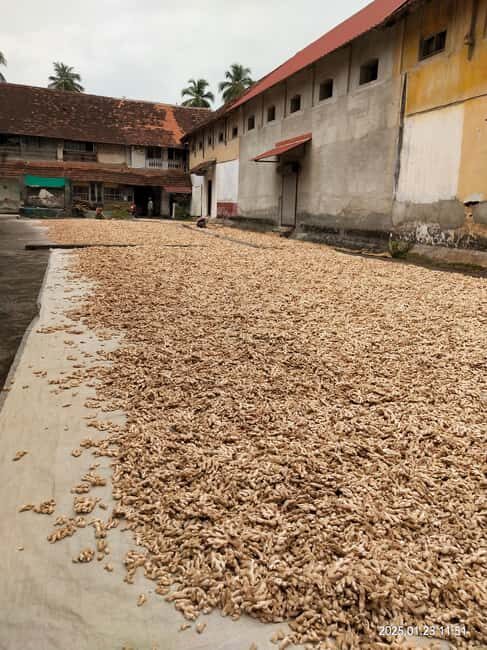
- Spice trade trail with ginger warehouses and processing-style stops tied to Kochi’s global role
- Hands-on artisan stops like papadam-making and traditional candle-making units still working today
- Portuguese, Dutch, and British influence you can spot in buildings like the Dutch Palace area
- Jew Town + Paradesi Synagogue visit within a wider story of long community ties in Kochi
- Chinese fishing nets close to the action plus street-level views of how people live now
Where Fort Kochi, Mattancherry, and Jew Town Feel Different on Foot
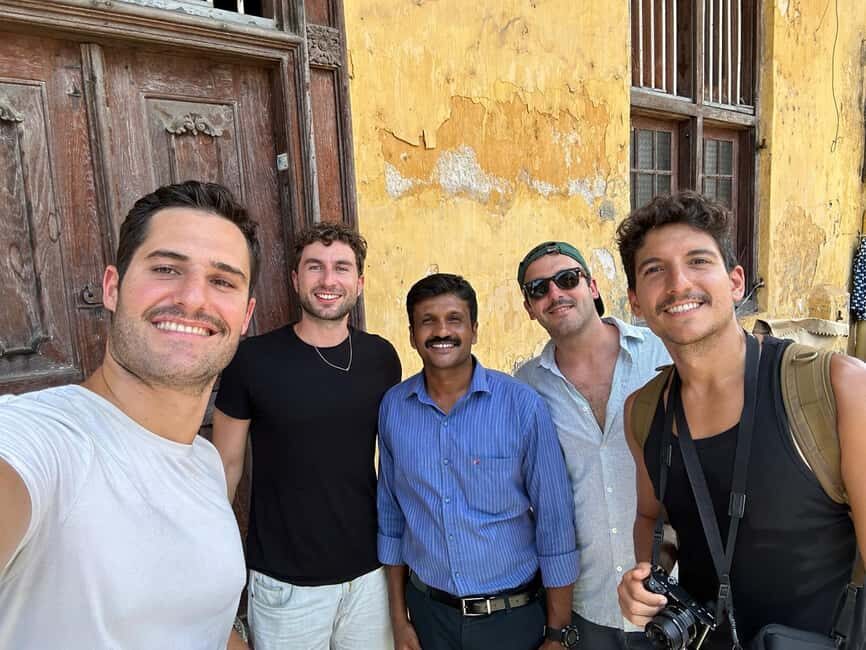
This tour is designed around the idea that Old Kochi makes more sense when you move through it slowly. The route covers Fort Kochi, Mattancherry, and Jew Town, and the guide keeps you oriented with stories that connect places across time.
What makes that work is the sheer mix of communities and influences. Kochi is a port city, and ports don’t stay simple. Here, you’re meant to notice the layers: Arab, Chinese, Portuguese, Dutch, and British impacts showing up not just in history books, but in architecture, cuisine habits, and even the way certain neighborhoods developed.
And you’re not just seeing monuments. You’re walking past parts of daily life, including laundry routines and the kinds of food-and-spice processing that helped turn Kochi into a trading hub.
Other Fort Kochi tours we've reviewed in Kochi



Meeting Point at Kashi Art Café: Start the Walk Like a Local

You meet your guide in front of Kashi Art Café on Burger Street, Fort Nagar, Fort Kochi. The routine is simple: arrive about 10 minutes early, and your guide will ask your name.
That small detail matters. When a guide introduces themselves quickly and starts on time, you lose less time to logistics and more time to the story. It also helps you feel settled before the walk begins—especially useful in Fort Kochi when streets can feel busy or crowded depending on the hour.
Before you go, you’ll receive the guide’s details by WhatsApp or email, which is a nice touch if you’re arriving from elsewhere and want to confirm who you’ll meet.
Following Kochi’s Spice Trade Legacy, Step by Step

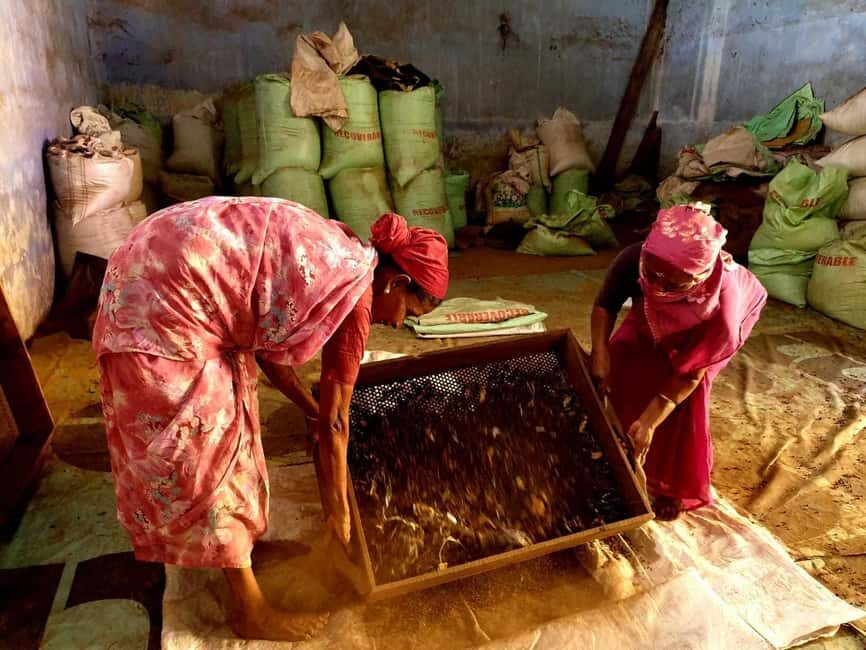
If you like history that has fingerprints you can still see, the spice trail portion is a big reason to book. The tour is built around Kochi’s role in the global spice trade, and it doesn’t stop at a single “spice place.” You’ll visit areas tied to spice processing and ginger warehouses, where the port-food economy becomes more than a slogan.
What I’d expect you to take away is this: Kochi’s spice trade wasn’t only about merchants and ships. It was about storage, grinding, sorting, and the daily work that made spices move through the world.
On this walk, the guide’s job is to connect those practical operations to the wider history—why certain neighborhoods formed, why European and other foreign powers kept showing up, and how long-distance trade shaped local life.
Even if you’ve read about spice routes before, seeing the working-food side (rather than only the romanticized version) tends to make the whole story feel more real.
Artisan Stops You Can Actually Picture: Papadam, Candles, and More
One of the most practical parts of the experience is how it breaks your walking time with stops where you can see traditional food and craft processes.
You’ll have time for papadam-making and candle-making, plus visits connected to spice handling. The point isn’t just to watch. It’s to understand why these crafts fit a port city lifestyle: papadam is tied to everyday meals, candles to the rhythm of households and shops, and spice processing to the constant work that trading demanded.
The tour also includes a stop for Dhobi Khana laundry. That’s a great contrast to the trade story. It reminds you that while Kochi was moving global goods, locals were also maintaining daily routines—washing, caring for textiles, and keeping households going.
This combo is exactly why a guided walk beats a self-guided stroll. Left alone, you might see the places, but you’ll miss the “how and why” behind them.
Colonial-Era Buildings and the Dutch Palace Detail You Should Look For
Old Kochi’s European chapters show up in architecture, and the tour nudges you to notice the small clues. You’ll pass colonial-era buildings and learn how Portuguese, Dutch, and British presence shaped the city.
A highlight in the included sites is the Dutch Palace (Mattancherry Palace), and entry to it is part of your tour price. Because this is an included stop, you’re not stuck figuring out ticket costs and timing mid-day.
Also, the tour description includes skip the ticket line, which can save time when you’re trying to keep the whole 3-hour flow moving.
What to focus on: don’t treat the palace as just a photo wall. Treat it as a clue that Dutch power wasn’t only military. It also changed governance, planning, and how the city looked and worked.
Other heritage and cultural walks we've reviewed in Kochi





The Freedom Fighters’ Jail Stop: Small Monument, Big Context
This part is often the “wait, what is this?” moment. You’ll visit the Freedom Fighters’ Jail if it’s opened during your tour day.
Even when a site is small, it can sharpen your understanding of the wider story. Colonial-era buildings aren’t only about European style. They’re also the physical reminders of conflict, resistance, and the push toward independence.
Because this visit depends on whether the jail is open, I’d keep a flexible mindset. If you can’t enter, you’ll still get alternate sightseeing on days when something is closed.
Jew Town and Paradesi Synagogue: Community Stories Beyond One Building

Jew Town (Jewish Quarter) is where the walking story widens from colonial influence into the long-term presence of multiple communities. The tour’s framing is that more than 30 communities once lived side by side, creating a cultural mosaic shaped by coexistence and trade ties.
You’ll visit the Paradesi Synagogue, one of the key Jewish landmarks in Kochi. Just note: synagogue entrance fees are not included, even though the visit is part of the experience.
That detail matters for planning. If you’re budget-conscious, it’s smart to expect a separate payment for synagogue entry. If you’re a person who likes religious history or architecture, this stop tends to be one of those “I’m glad I came on a guided day” moments because the guide’s stories give the building context.
The tour also aims to cover how the community ties connected to local power networks, including references to close ties with the royal family of Kochi and a story of peaceful coexistence.
Chinese Fishing Nets, Street Life, and the Stuff You’d Walk Past

Some heritage walks only show you big sites. This one makes space for street-level details that help the whole place feel lived-in.
You’ll see the Chinese fishing nets in action at close range, and you’ll also get commentary tied to everyday life in Old Kochi. It’s the kind of stop that works even if you’re not a “fishing nets person.” The guide helps you see what’s different about a working waterfront in Kerala compared with a postcard version.
Then there’s Dhobi Khana laundry. Laundry isn’t just visual texture here. It’s part of how local life actually runs—another reminder that the city’s history isn’t sealed behind museum glass.
If you want a tour that helps you look at common street scenes with better questions, this is the section where that pays off.
Timing, Pace, and Why 3 Hours Works Better Than a Half Day

The tour runs 3 hours, and walking is roughly 3 to 3.5 hours with short tuk-tuk rides to break things up. That setup is pretty practical in Fort Kochi: you get enough time on foot to really understand neighborhoods, but you aren’t forced to suffer for every single meter.
This matters because it’s easy to schedule a “heritage walk” that ends up feeling rushed. Here, 3 hours gives the guide room to slow down at key corners and make sure you understand what you’re seeing.
In cooler or pleasant weather, the walk can feel comfortable. In heat and humidity, that same pace can feel like work, so the smarter move is to pick a start time you’ll actually enjoy.
Price and Value: What $25 Actually Buys You
At $25 per person for 3 hours, the value comes from what’s included and what you avoid doing yourself.
You get:
- a live English local guide who leads the storytelling walk
- entry to Dutch Palace (Mattancherry Palace)
- a stop at Freedom Fighters’ Jail if it’s opened
- visits connected to spice warehouses and artisan units, including papadam and candle-making
- Dhobi Khana laundry as part of the daily-life picture
- personal attention in a small-group or private setting
What you don’t get:
- tuk-tuk transfer fees between Fort Kochi and Mattancherry (you may have tuk-tuk rides, but they may not be covered by the base price)
- synagogue entrance fees
So the money equation is simple: you’re paying for guided context plus included access to major stops. If you were doing this solo, you’d likely spend time and effort lining up tickets and figuring out what to look for. Here, the guide handles the storyline and the key entry costs for the palace.
For a short trip where you want maximum “place understanding” per hour, this is the kind of value that makes sense.
When Closures and Heat Affect Your Day
A few schedule issues can change the exact feel of your tour day.
- Dutch Palace is closed on Fridays.
- Paradesi Synagogue is closed on Friday afternoon, Saturdays, and on Jewish holidays.
- If a planned site is closed, the guide includes alternate sights.
This means you should treat the tour as flexible rather than rigid. If you’re booking for a specific day, double-check the day-of-week constraints in your head, especially if synagogue time is a top priority for you.
Weather is another real factor. One practical note: afternoons can get hot and humid, and walking for 3 to 3.5 hours will feel different depending on the hour you start. If you can choose among time slots, earlier tends to be easier.
Finally, this tour is not suitable for everyone. It’s not recommended for pregnant women, and it’s not suitable for people with mobility impairments or wheelchair users. If you fall into that category, look for an option that’s designed around slower movement and more accessibility.
What to Bring, and the Dress Code That Keeps the Tour Smooth
The tour gives you a clear packing list for Kerala conditions. Bring:
- comfortable shoes
- sunglasses, hat, sunscreen
- umbrella
- insect repellent
- scarf
Dress rules matter too. You should avoid short skirts and sleeveless shirts. That’s a small thing, but it helps you move through religious and cultural spaces without hassle.
One extra tip: if you carry water or plan to buy drinks during breaks, you’ll stay comfortable. The walk includes time to stop for refreshment, and that can keep the pace enjoyable.
Who This Tour Fits Best (and Who Might Want Another Option)
This walk is a strong choice if you:
- want Fort Kochi history that connects colonial power to real daily routines
- like spice-trade context and practical artisan craft stops
- enjoy cultural neighborhoods like Mattancherry and Jew Town more than souvenir streets
- want a guide who brings stories and local detail into each area
It’s less ideal if you:
- can’t manage a steady walking schedule
- need wheelchair-friendly routing
- are pregnant or have heart conditions or severe back problems (the tour is specifically not recommended for these situations)
For families, it’s family-friendly with a minimum age of 6 and above, with an adult accompaniment requirement.
Should You Book This Fort Kochi Heritage Walk?
I’d book this tour if you want a 3-hour plan that turns Old Kochi into a coherent story. The mix of spice trade legacy, artisan stops like papadam and candle-making, everyday sights like Dhobi Khana, and major landmarks including Dutch Palace and Paradesi Synagogue (with an extra entrance fee) is a lot to pack into one morning or afternoon.
I’d skip it—or at least reconsider timing—if you know you’ll struggle with heat, walking distance, or any of the closure days that affect Dutch Palace or the synagogue. And if accessibility is an issue for you, don’t force it. The tour is built around movement.
If your goal is to understand Fort Kochi beyond photos, this is one of the better ways to do it. You’ll leave with a clearer map of how the city’s port history, crafts, and communities shaped the streets you just walked.
FAQ
How long is the Fort Kochi heritage walking tour?
The tour lasts about 3 hours. The walking portion is roughly 3 to 3.5 hours, with some short tuk-tuk rides included during the experience.
What’s included in the tour price?
The price includes a guided walking tour with a local English-speaking guide, storytelling-based stops across Fort Kochi, Mattancherry, and Jew Town, entry to Dutch Palace, and visits to spice warehouse and artisan units such as papadam-making, candle-making, and Dhobi Khana laundry. Freedom Fighters’ Jail is included if it is opened.
Are tuk-tuk rides included?
Tuk-tuk transfer fees from Fort Kochi to Mattancherry are not included. The tour may include short tuk-tuk rides, but you should expect separate tuk-tuk costs unless otherwise confirmed.
Is entry to Paradesi Synagogue included?
No. Synagogue entrance fees are not included.
What happens if I book for a Friday or Saturday?
Dutch Palace is closed on Fridays, and Paradesi Synagogue is closed on Friday afternoon, Saturdays, and Jewish holidays. On those days, alternate sights are included.
What should I bring and wear?
Bring comfortable shoes, sunglasses, hat, umbrella, sunscreen, insect repellent, and a scarf. Avoid short skirts and sleeveless shirts. If you have mobility limitations, pregnancy, or heart conditions, this tour is not recommended.