REVIEW · KOCHI
Fort Cochin Heritage Tour by The Kochi Heritage Project
Book on Viator →Operated by The Kochi Heritage Project · Bookable on Viator
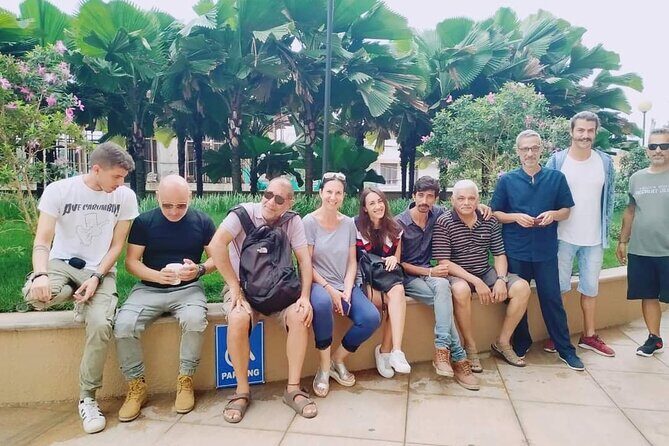
Cochin’s European layers are all around you. This Fort Cochin Heritage Tour turns everyday landmarks into clear stories, and I like that it stays practical and human, not a lecture. Two things I especially like are the small-group feel (max 8) that makes questions easy, and the way the guide links architecture to real details like food, language, and local belief. One possible drawback: it’s a street-walk format, so if weather is rough you’ll want to be ready for covered stops rather than major indoor breaks.
You’ll spend about 2 to 3 hours starting at the Folklore Cultural Theatre bus stand building in Fort Kochi and ending at Princess Street. Expect a mobile ticket, a coffee/tea and snack stop at a Dutch-themed hotel, and a route built around the Portuguese, Dutch, and British footprint in the old European fort town.
In This Review
- Key reasons this walk works well
- A heritage tour that starts where the streets begin
- Stop 1: Chinese Fishing Nets and the China-to-Malabar story
- Vasco da Gama Square: Portuguese hopes, pepper, and early alliances
- The Fort and Santa Cruz section: European city beginnings and Portuguese influence
- Stop 3: David Hall Gallery & Cafe and the Dutch-Ayurveda link
- Parade Ground: tea, cricket, and festival-era stories
- Fort Kochi Beach: British supremacy stories and the walk toward Princess Street
- Refreshments: why the coffee/tea stop is more than a break
- Price and value: what $27.96 really buys you
- Who should book this heritage walk
- Should you book the Fort Cochin Heritage Tour?
- FAQ
- How long is the Fort Cochin Heritage Tour?
- How much does it cost?
- What’s included in the tour?
- Where does the tour start and end?
- Are there admission tickets included?
- What should I bring since umbrellas and similar items aren’t provided?
- What happens if the weather is bad?
Key reasons this walk works well
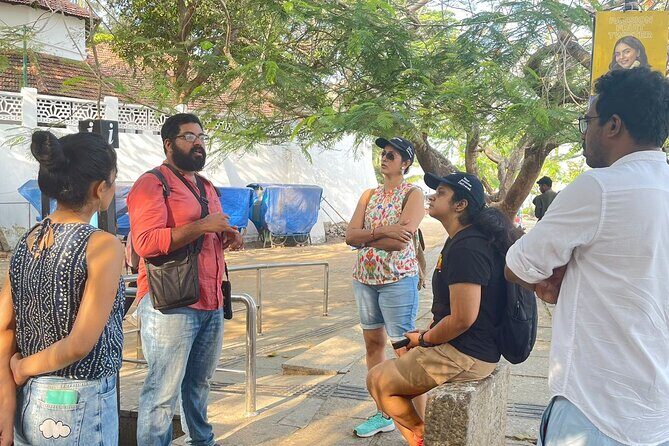
- Small group (up to 8 people) keeps the pace friendly and conversational
- Landmarks you can actually picture: Chinese Fishing Nets, Vasco da Gama Square, David Hall Gallery & Cafe, Parade Ground, Fort Kochi Beach
- European history tied to daily life through food, language, and architecture
- Portugal and trade stories you won’t hear in a postcard (including the Portuguese slave trade, plus protective spirit tales)
- A local storyteller named Johann brings Fort Kochi context with strong research behind the narrative
A heritage tour that starts where the streets begin
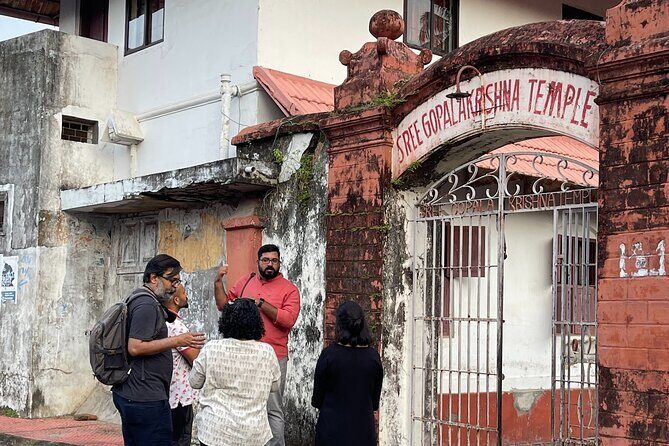
Fort Cochin isn’t one “time period.” It’s a mix, and this tour helps you see the pattern fast. The walk is designed to show how Cochin earned titles like the Emporium of the World and later the Queen of the Arabian Sea, then how the city’s European fort-town phase shaped what you still notice today.
The route focuses on Indo-European heritage structures and the modern-day ways people adapt them. That matters because you’re not just looking at old walls. You’re learning why those walls ended up where they did, and why they still influence the neighborhood’s feel.
Also, the tour is built to be doable: you’re not expected to manage complicated transitions or hunt for places on your own. You get a meeting point in Fort Kochi and a clear end point at Princess Street, right where colonial charm meets today’s café-and-boutique scene.
Other Fort Kochi tours we've reviewed in Kochi



Stop 1: Chinese Fishing Nets and the China-to-Malabar story
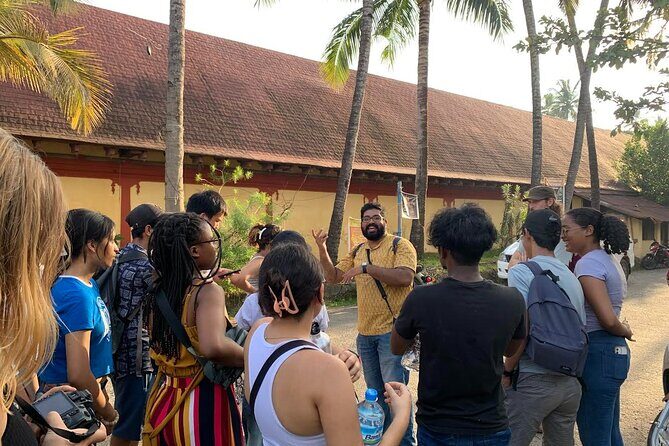
Your first stop is the Chinese Fishing Nets, with about 15 minutes on site. This is an easy place to orient yourself because it’s iconic, and you can look at the nets while the guide connects them to historical seafaring links between China and Malabar.
What I like about starting here is timing. These nets act like a living “map legend” for trade routes. They set the tone for the rest of the walk: Cochin wasn’t shaped by one empire, but by waves of maritime contact.
Practical note: this is usually quick and outdoors, so it’s smart to have comfortable shoes and keep an eye on the light. If the sun is harsh, shaded pauses are limited, and your best bet is to stay close to the group for the next step.
Vasco da Gama Square: Portuguese hopes, pepper, and early alliances
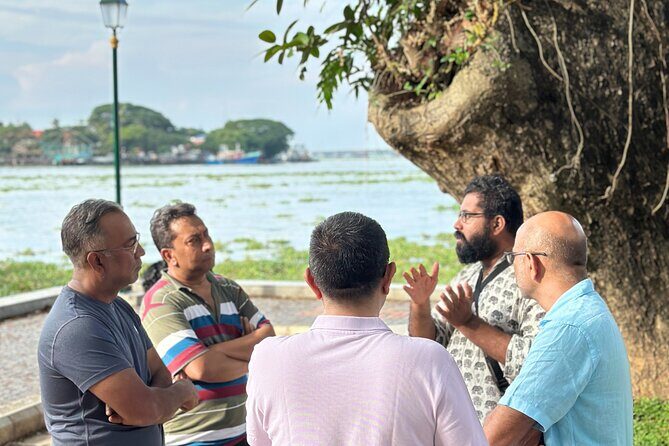
Next up is Vasco da Gama Square, about 20 minutes. Here the storyline shifts from maritime connections to the Portuguese push into the region. You’ll hear how Portuguese explorers set out seeking pepper and contact with Christians in India, and how those goals shaped their presence along Kerala’s coast.
This stop works well because it’s not just about a famous name. The tour uses the square as a hinge: Portuguese arrival becomes understandable as a mix of commerce, religion, and political strategy.
If you enjoy connecting the dots between geography and history, this is one of the best parts of the tour. You’ll start seeing how “old Europe in India” wasn’t abstract—it was people moving, trading, negotiating, and building.
The Fort and Santa Cruz section: European city beginnings and Portuguese influence
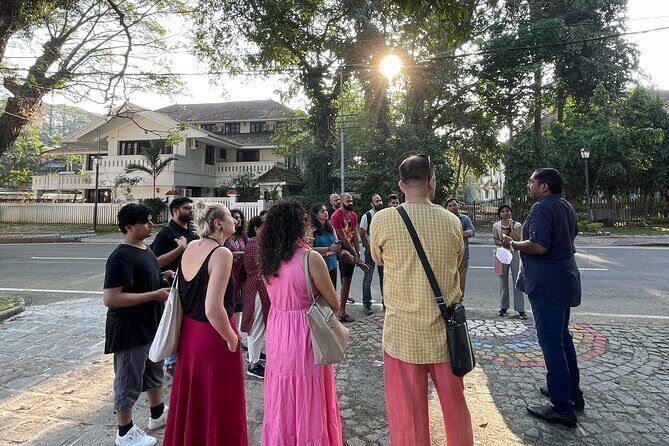
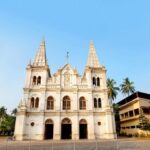
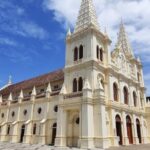
Between the early Portuguese landmark moments, you’ll walk through stories of the beginnings of a European city in India, including the Fort and the city of Santa Cruz. This portion is where the tour goes from “who showed up” to “what they built and how it changed daily life.”
You’ll also get a focused explanation of Portuguese influences in Kerala—not only culture, but also cuisine and language. That’s the angle that makes this tour feel useful after you walk away. You start noticing hints in the area’s food culture and everyday speech patterns, even if you can’t label them instantly.
One especially serious topic comes up here: the Portuguese slave trade, along with tales of protective spirits passed down for generations. It’s presented as part of how communities absorbed and explained the world around them. Expect respectful storytelling rather than sensational shock.
Possible consideration: this is history, and it includes darker material. If you prefer lighter, entertainment-style walking tours, you might want a different option. But if you want the real context behind Cochin’s layered identity, this section is a big part of the value.
Stop 3: David Hall Gallery & Cafe and the Dutch-Ayurveda link
After Santa Cruz themes, the tour reaches David Hall Gallery & Cafe for about 30 minutes. This is where the story widens from Portugal into Dutch influence, especially in how architecture shaped the city.
You’ll also hear about an idea that still matters in Ayurveda: the tour references a 17th-century treatise and explains why it remains relevant. That’s a smart bridge, because it shows how knowledge travel didn’t stop at trade goods. It moved through books, practice, and belief.
This stop is also the one where you can settle for a moment. You’ll learn, then you’ll pause. If you want to refresh your mind before the final stretch toward the beach, this timing helps.
A small drawback: since this is a gallery-and-cafe stop, it can feel a bit dependent on how people are using the space when you arrive. You’ll likely still have time for the key storytelling, but don’t expect a quiet private room.
Other heritage and cultural walks we've reviewed in Kochi
Parade Ground: tea, cricket, and festival-era stories
You’ll spend about 15 minutes at Parade Ground. This stop turns attention away from forts and treaties and toward leisure and social life—stories of tea, cricket, and art festivals.
That might sound like a detour, but it isn’t. It’s a reminder that colonial presence reshaped more than politics. It influenced what people did on weekends, what events they organized, and how communities formed shared routines.
If you’re the kind of person who likes to understand how history shows up in habits, this segment will click. It’s also a good “mental breather” between the more intense historical topics and the final beach walk.
Fort Kochi Beach: British supremacy stories and the walk toward Princess Street
The last major landmark on the route is Fort Kochi Beach, with about 30 minutes. Here the guide shifts to British-era dynamics and the struggle for supremacy in the Indian subcontinent.
A beach stop makes sense for this theme. Maritime power is the background music of this entire story, and the shoreline view helps the narrative feel grounded. You’re not only hearing about power—you’re standing in the coastal setting where that power was projected.
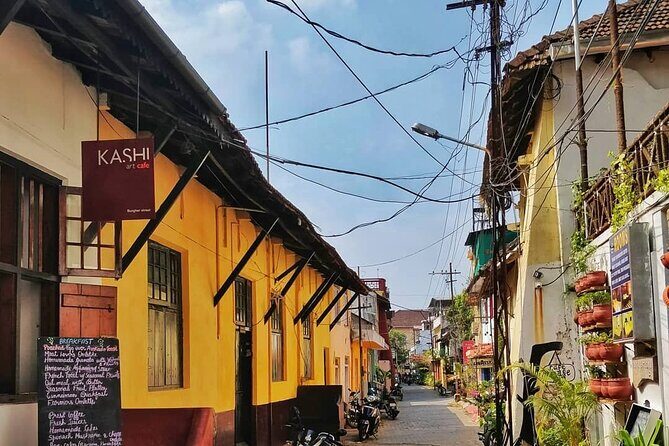
As the walk winds down, the tour ends at Princess Street, where the colonial-era architecture line-up meets modern Kochi life: colorful buildings with Portuguese- and Dutch-era influence, plus cafés, art boutiques, and independent shops.
This ending point is practical. You can keep walking, grab a meal, or connect to other parts of Fort Kochi without needing transportation arranged by the tour.
Refreshments: why the coffee/tea stop is more than a break
The tour includes coffee and/or tea and snacks at a Dutch-themed hotel. This is one of those add-ons that sounds minor until you’ve been walking in warm weather and your attention span starts dropping.
What you’ll get from the stop is timing. It gives you a chance to reset after the dense historical sections—Portuguese influence, trade, and the harder stories—then refocus for the final stretch toward the beach and Princess Street.
Also, because the stop is part of the guided flow, you don’t have to manage decision fatigue. You’re not hunting for the “right” café while trying to keep up with the group’s pace.
Tip from me: if you’re sensitive to heat, plan to drink water before you meet and keep an eye on your energy. The tour itself is only a few hours, but the walking adds up.
Price and value: what $27.96 really buys you
At $27.96 per person, this tour lands in the sensible “experience price” range for a guided walking history route. You’re not paying for a museum ticket stack or private vehicle time, so the value comes from the guide and the structure of the walk.
What’s included:
- A tour led by a local storyteller
- Coffee/tea and snacks
- Stops at Indo-European heritage structures with modern adaptations
- Mobile ticket
What’s not included:
- Private transportation
- Alcoholic beverages
- Monument entry beyond what the tour explicitly includes
When you compare this to paying separately for a guide plus refreshments, the pricing starts to look fair—especially because the group is small (max 8). You’re paying for a person who can connect architectural cues and street-level observations into a timeline you can hold in your head.
For best value, treat it like a “first layer” orientation. If you do this early in your Fort Kochi days, you’ll understand what you’re looking at afterward.
Who should book this heritage walk
I think this tour is a great match if you:
- Want a story-first way to understand Fort Cochin beyond the usual photo stops
- Like history that shows up in buildings, food, and language, not just dates
- Prefer a small group with a guide who can answer questions
It may be less ideal if you:
- Want a lot of interior museum time (this is a walking route with limited monument entry expectations)
- Get uncomfortable in rain and don’t like being outdoors even briefly
In plain terms: it’s best for people who enjoy walking, listening, and then looking at the same streets later with new context.
Should you book the Fort Cochin Heritage Tour?
If your goal is to understand why Fort Kochi looks the way it does—Portuguese influence, Dutch architectural echoes, and British-era changes—then this is an easy yes. The strongest selling point is the guide approach, including the local storyteller Johann and the way the walk connects trade routes and architecture to real life details.
Book it if you like history that stays readable in the field and you’re okay with a walking-and-talking pace for 2 to 3 hours. Skip it if you’re looking for mostly indoor attractions, or you’re likely to be stressed by outdoor time in changing weather.
FAQ
How long is the Fort Cochin Heritage Tour?
The tour lasts about 2 to 3 hours.
How much does it cost?
The price is $27.96 per person.
What’s included in the tour?
It includes coffee and/or tea with snacks at a Dutch-themed hotel, a tour led by a local storyteller, and visits to Indo-European heritage structures and establishments with their modern-day adaptations.
Where does the tour start and end?
It starts at the Folklore Cultural Theatre bus stand building in Fort Kochi and ends at Princess Street in Fort Kochi.
Are there admission tickets included?
The stops listed include free admission ticket info for the Chinese Fishing Nets, and the tour does not include entrance to heritage monuments except what is mentioned in the inclusions.
What should I bring since umbrellas and similar items aren’t provided?
The tour notes that it does not provide umbrellas, raincoats, hats/caps, face-masks, or sanitizers, so you should plan accordingly.
What happens if the weather is bad?
This experience requires good weather. If it’s canceled due to poor weather, you’ll be offered a different date or a full refund.