REVIEW · KOCHI
Tuk-Tuk Shopping Tour in Kochi – Spices,Crafts,Silks & Souvenirs
Book on Viator →Operated by Biju's Tours · Bookable on Viator
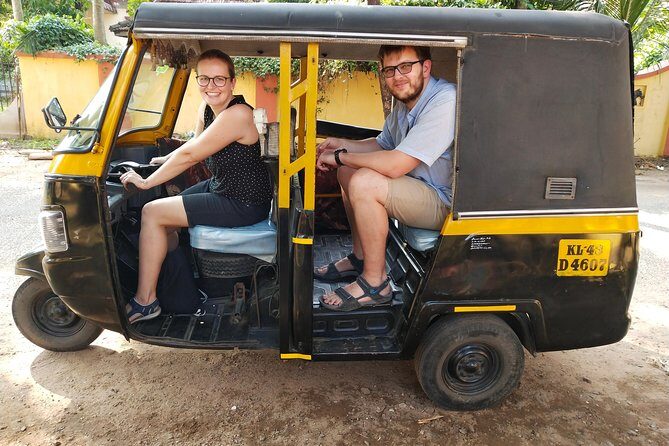
A tuk-tuk tour is the best way to shop here. Kochi’s Fort Kochi and Mattancherry areas are compact, and this private ride ties together spices, silks, and crafts with short, manageable stops. I especially like having a local English-speaking guide who can explain what you’re looking at and what’s worth asking about. One thing to keep in mind: you’ll spend time in shops and markets, so if you’re only here for fast sightseeing, this may feel shopping-forward.
The route is built for real-world wandering—rickshaw lanes, spice warehouses, artisan stops, and a couple of quick photo pauses at major landmarks. Guides in this program (including Biju and Shaji) are known for local stories and practical answers, and they’ll keep the pace comfortable for your group. If it’s very rainy, the tour runs depending on conditions since the experience requires good weather.
In This Review
- Key highlights to expect on this Kochi shopping ride
- Why a tuk-tuk shopping tour works in Kochi
- Your guided route through Mattancherry and the spice areas
- The incense and perfume-oil maker stop (and how to use the time)
- Jew Town shopping lanes: antiques, collectibles, and the synagogue fee
- Silk sarees, block-printed textiles, crafts, and jewelry
- Antique Museum Kochi: how to shop antiques without getting lost
- Fort Kochi quick hits: Chinese fishing nets and Saint Francis
- Price and value: what $6 buys you in real time
- Group size, pace, and who this suits best
- How to shop smarter during your tuk-tuk stops
- Guides matter: what the best tours here do well
- Booking and timing: how to plan your half-day in Kochi
- Should you book this tuk-tuk shopping tour in Kochi?
- FAQ
- How long is the Tuk-Tuk Shopping Tour in Kochi?
- Is this tour private or shared?
- What stops will I visit during the tour?
- Are entrance fees included?
- Do I get pickup and drop-off?
- What happens if the weather is bad?
- Is free cancellation available?
Key highlights to expect on this Kochi shopping ride
- Mattancherry streets by local rickshaw, so you’re not just sitting in a vehicle
- Cochin Spice Market, including women’s cooperative spice market and warehouse areas
- Jew Town shopping lanes, focused on antiques, collectibles, and spice souvenirs
- Silks & Crafts Museum + artisan shops, with attention on silk sarees and handwoven textiles
- Fast Fort Kochi classics like the Chinese fishing nets and Church of Saint Francis
Why a tuk-tuk shopping tour works in Kochi
Kochi’s best shopping isn’t spread out on a single “mall day.” It’s tucked into lanes, market blocks, and specialty areas where you want to look around slowly. A tuk-tuk is perfect for this because it gets you close without the headache of parking or long walks between stops.
You also get structure. Markets can be overwhelming when you’re new to the city, so having a driver/local expert who keeps you moving—and tells you what you’re seeing—makes shopping feel less chaotic and more confident. And because it’s a private tour, you’re not stuck waiting for other people to decide between the spice blends or the next shop window.
Other tuk-tuk and auto rickshaw tours we've reviewed in Kochi



Your guided route through Mattancherry and the spice areas
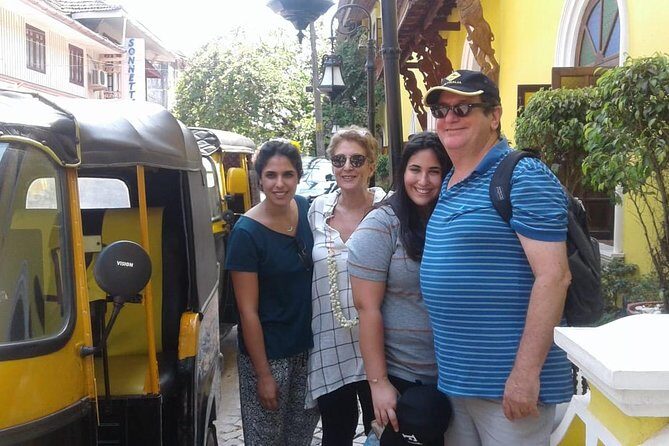
The tour starts with Mattancherry, where you’ll ride through local streets in a rickshaw. That first hour matters because it helps you get your bearings fast and understand the area’s layout before you hit the bigger shopping streets. It’s also a nice change from a standard car ride.
Next comes the Cochin Spice Market, including women’s cooperative spice market areas and the warehouse side of the trade. This is where Kochi’s reputation for spices stops being a label and becomes something you can actually smell and compare. Expect quick but focused time in a place built around bulk spices, packaging, and everyday buying.
If you want to shop well, use that short window to ask questions about what’s ground fresh, what’s for cooking, and what’s better for gifting. The goal isn’t to become a spice expert in one afternoon. It’s to know what each stall is doing so you don’t pay spice-shop premium for something that looks similar.
The incense and perfume-oil maker stop (and how to use the time)
One of the smarter inclusions is the stop at IRS Natural Incense and Perfume Oils, where you can see scents being made and essential oil preparation. The time here is short, so treat it like a “taste test” for your senses, not a long workshop.
If fragrance is your thing, this stop can help you narrow down what you want to buy later. You’ll likely see how incense and oil products are presented, and that can make it easier to spot quality when you’re back among souvenirs and shop counters.
This stop is listed as free in the tour info, which makes it a good value add. Even if you don’t buy, it breaks up the shopping rhythm with something more hands-on than just browsing shelves.
Jew Town shopping lanes: antiques, collectibles, and the synagogue fee
Jew Town is the section people remember. It’s a shopping street where the vibe is older than the typical tourist market, and it’s known for trade items like antiques, bronze idols, vintage collectibles, and spice treasures. You get about half an hour here, which is enough to look, compare, and check prices without turning it into a tiring rummage marathon.
There’s also an important practical detail: the entrance fee to the Jewish Synagogue is not included, listed as ₹100 per person. The tour notes that fee separately, so plan for it only if you decide to go in.
Shopping in Jew Town works best when you bring two mindsets:
- Buy fewer, better items, since antiques and vintage pieces can be price-variable.
- Ask direct questions about condition and how the seller describes materials and age.
If you’re the type who likes to haggle, you can do it here. If you’re not, you can still shop carefully by comparing prices across a couple of stalls before you commit.
Silk sarees, block-printed textiles, crafts, and jewelry
Then you shift into the “wear it or frame it” part of the tour. The Silks & Crafts Museum stop is basically a focused souvenir and textile shopping stop, with time to look at silk sarees, handwoven fabrics, block-printed textiles, and artisan crafts. You’ll also see locally made jewelry options.
For many first-time visitors, silks are where the excitement is highest—and where buying mistakes can happen. The good news is you have guided time, so you can ask things like fabric type, weave feel, and how the shop describes the print process. Even if you don’t speak local language, a guide who can help you translate and interpret descriptions saves you from guessing.
A quick practical tip: set a small “decision budget” before you arrive. For example, decide in advance whether you want one saree or maybe a smaller textile item. This keeps your shopping from expanding just because you found a beautiful pattern.
Other shopping tours in Kochi


Antique Museum Kochi: how to shop antiques without getting lost
The Antique Museum Kochi stop is another half-hour window, aimed at antiques and collectible-style shopping. This is the kind of store where you can easily lose track of time because everything is visually interesting.
Use the guided timing to your advantage. Look at a few items, then ask about what you’re actually looking at: material, workmanship, and why a piece is priced the way it is. If you buy, keep your purchase simple and easy to transport. If you don’t buy, treat it as “learning time” so you can recognize good craftsmanship when you see it again.
This is also where you should be honest with yourself about what you’ll do back home. Will you wear it? Hang it? Frame it? Or will it become a suitcase space regret? The best souvenir purchases are the ones you’ll actually use.
Fort Kochi quick hits: Chinese fishing nets and Saint Francis
After the shopping stops, the tour includes quick landmark pauses. The Chinese fishing nets get about ten minutes, and the Church of Saint Francis also gets about ten minutes. These are short on time by design, which is great if you want a taste of the area without sacrificing your market time.
The Chinese fishing nets are one of those Kochi visuals that instantly places you. Even if you’ve seen photos before, being there helps with scale and how the scene sits in the shoreline setting. For the church stop, use your minutes to look at the exterior details and then decide if you want more time on your own.
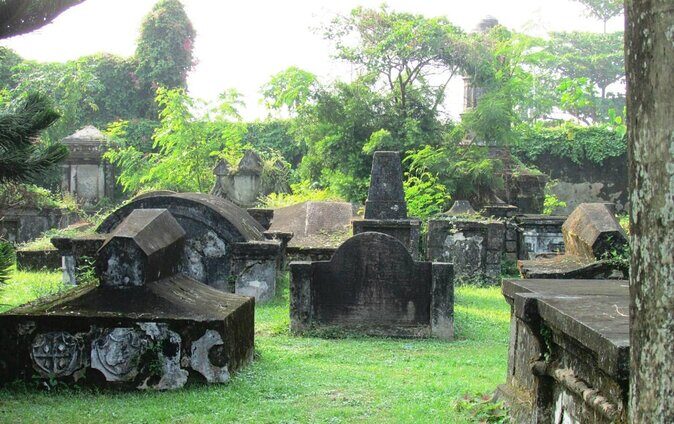
There’s also a listed stop for a cemetery. The tour info doesn’t give extra details on it, but it likely works as a quick pass-by/brief stop as the route connects different parts of Fort Kochi.
Price and value: what $6 buys you in real time
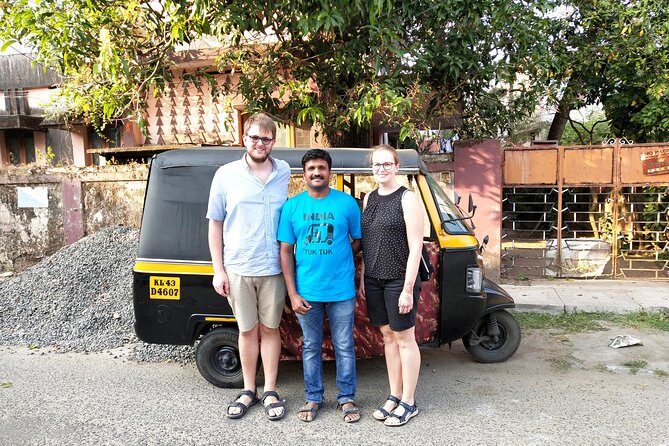
At about $6.00 per person, the headline price looks almost too good. The real value comes from what’s included: a private tour, driver/local expert, and pickup and drop-off from designated meeting points. You’re also getting a multi-stop route that’s designed to keep travel time short between shopping zones.
This matters because in India, timing is everything. If you tried to DIY this route without local help, you’d likely waste energy figuring out which street is best for spices, where the textile stops actually are, and how to structure the day so it doesn’t turn into a long, expensive back-and-forth.
Your main potential extra cost is optional and tied to decisions:
- Jewish Synagogue entrance is noted as ₹100 per person and not included.
- Food and drinks aren’t included.
So the money you spend beyond the tour is mostly what you choose to buy, not mandatory add-ons. If you come with a shopping plan, this can be one of the most cost-effective ways to spend a half-day in Kochi.
Group size, pace, and who this suits best
Because it’s private, you can match the pace to your group. One day, you may have a small crew; another day, you might be the only people doing the tour. That flexibility is a big deal in markets where people have different buying styles.
The tour lists a moderate physical fitness level. Practically, that means expect some walking in shop fronts and market lanes, but not long hikes. You’re not climbing stairs for hours. You’re moving through areas that can be crowded and active, so comfortable shoes help.
This tour is a strong match for:
- First-time visitors who want shopping plus key Fort Kochi sights
- People buying spices, silks, textiles, crafts, and small gifts
- Travelers who like practical explanations, not just photo stops
If you hate shopping and want museums only, this might feel like too many storefront windows. If you love shopping, but want it guided and not random, it’s a solid choice.
How to shop smarter during your tuk-tuk stops
Markets are where you can win big or overspend by accident. Here’s a simple way to shop calmly and still get the fun.
Start with spices and scents. Compare a couple of stalls, notice how products are described, and buy based on use: cooking blends vs. gifting sets. The spice market time is short, so don’t wait until the last minute.
For silk and textiles, feel what you can. Ask questions about the fabric and print style. If you want a saree, decide early which color and weight you’ll commit to so you don’t get stuck comparing for an hour.
For antiques and collectibles, keep your purchases “documentable” in your brain. If a seller can explain materials and the story in a way that makes sense to you, you’re more likely to be happy with the purchase later.
And one more thing: keep receipts or at least take photos of what you buy. It makes it easier if you need to verify sizes, care instructions, or items during your trip.
Guides matter: what the best tours here do well
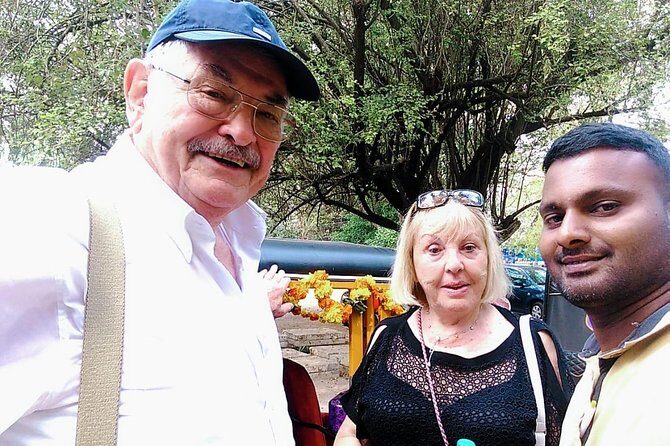
This tour stands out because the guidance isn’t just facts—it’s a personality plus local context. Guides like Biju and Shaji are described as enthusiastic, with good English and strong historical and cultural storytelling. That kind of explanation helps you understand why a shop sells what it sells, and it turns shopping into a conversation.
Flexibility also comes up in real situations. For example, when it was raining hard, the guide still moved the day forward and adjusted the transport so the tour didn’t stall. And when there are delays outside your control, the team is described as understanding and willing to work with you.
In short: you’re buying time and access to local knowledge, not just movement between stops.
Booking and timing: how to plan your half-day in Kochi
You’re looking at about 2 to 4 hours total, depending on how long you linger in each stop. Because it’s a private tour, you can usually adapt to your group’s shopping speed, within reason.
Your start point is listed as Biju’s Tours on KB Jacob Rd in Fort Kochi, opposite Anantha Bhavan Inn. The tour ends back at the meeting point. Pickup and drop-off are included from designated meeting points, so plan to meet your guide where they direct you so you don’t lose time hunting.
If you’re traveling in Kochi on a tight schedule, this is a good half-day structure. It gives you markets and crafts without stealing your entire first day.
Should you book this tuk-tuk shopping tour in Kochi?
Book it if you want a guided shopping day that also throws in key Fort Kochi sights. The spice market + Jew Town + silk and crafts combination is unusually efficient, and the private format makes it easier to ask questions and shop with confidence. The route also includes quick landmark moments, so you’ll come away feeling like you saw more than just storefront windows.
Skip it if your idea of a perfect Kochi day is mostly sightseeing with little shopping time. And if you’re traveling with zero interest in textiles, spices, or collectibles, you may end up wishing you had fewer stops.
FAQ
How long is the Tuk-Tuk Shopping Tour in Kochi?
The tour runs for about 2 to 4 hours. The stops are timed, with shorter visits to landmarks and spice areas and longer blocks for shopping in Jew Town and textile/antiques shops.
Is this tour private or shared?
It’s a private tour/activity, so only your group participates. That means you can set the pace within the stop times and get focused attention from the driver/local expert.
What stops will I visit during the tour?
You’ll visit Mattancherry, Cochin Spice Market, IRS Natural Incense and Perfume Oils, Jew Town, a Silks & Crafts Museum stop, Antique Museum Kochi, Chinese fishing nets, Church of Saint Francis, and a listed stop at the cemetery.
Are entrance fees included?
Most listed stops include admission tickets, and the IRS Natural Incense and Perfume Oils stop is listed as free. The Jewish Synagogue entrance fee is not included and is ₹100 per person.
Do I get pickup and drop-off?
Yes. Pickup and drop-off are included from designated meeting points. The tour starts at Biju’s Tours in Fort Kochi and ends back at the meeting point.
What happens if the weather is bad?
This experience requires good weather. If it’s canceled due to poor weather, you’ll be offered a different date or a full refund.
Is free cancellation available?
Yes, free cancellation is available up to 24 hours in advance for a full refund. If you cancel less than 24 hours before the start time, the amount paid is not refunded.