REVIEW · KOCHI
Kochi: Backwater Exploration in Village: Free Pickup & Drop
Book on GetYourGuide →Operated by Excel India Tours · Bookable on GetYourGuide
Kochi’s backwaters are quiet in the best way, and this tour shows why. I love the bamboo-pole shikara glide through palm-fringed channels with near-total silence, and I love the Kerala Sadya vegetarian lunch served after the village visits. The trade-off is that you spend a good chunk of time sitting on boats and standing/walking on uneven village paths, so comfortable shoes matter.
Pickup is available from a long list of Kochi hotels, and you get an English-speaking driver, so you’re not doing any logistics math at the start. I also like that the guide (we had Arya) explains what you’re seeing in practical terms, from local plants to how coir and weaving fit into daily life.
You’ll also see the work behind Kerala crafts up close: coir yarn and rope from coconut husk, mat weaving, and clam collection/processing. If you prefer your sightseeing fast and flashy, this is calmer than that, but the craft details make it worth it.
In This Review
- Key things to know before you go
- Entering Kochi Backwaters: The Bamboo-Pole Shikara Experience
- The Village Stops That Actually Teach You Something
- Coir spinning and rope making from coconut husk
- Mat weaving and thatching roof craft
- Copra and coconut oil processing (half-day and full-day options)
- Arrowroot and herbal/spices garden visits
- Clam collection and processing
- Cotton Spinning and Handloom Weaving: Why It’s More Than a Photo Stop
- Kerala Sadya Lunch: Vegetarian, Complete, and Built for Enjoying Slowly
- Full Day vs Half Day: What Changes in the Water Time
- 5–hour style: more focus on backwaters and village moments
- 7–hour style and full-day rhythm: narrow canal cruising after lunch
- Half-day afternoon option: village + narrow canal + Sadya
- Pickup and Drop-Off Around Kochi: Easy Start, No Guessing
- Price and Value: What $63 Really Buys
- What to Pack (And the One Comfort Tip That Matters)
- Who This Tour Suits Best
- Should You Book This Kochi Backwater-and-Village Tour?
- FAQ
- How long is the Kochi backwater cruise and village experience?
- Do I get hotel pickup and drop-off?
- What type of boat will I ride on?
- What village activities are included?
- Is lunch included, and what is it?
- Are drinks included?
- Is alcohol allowed?
Key things to know before you go
- Bamboo-pole punted shikara with a bamboo roof, so the backwaters feel hushed and slow.
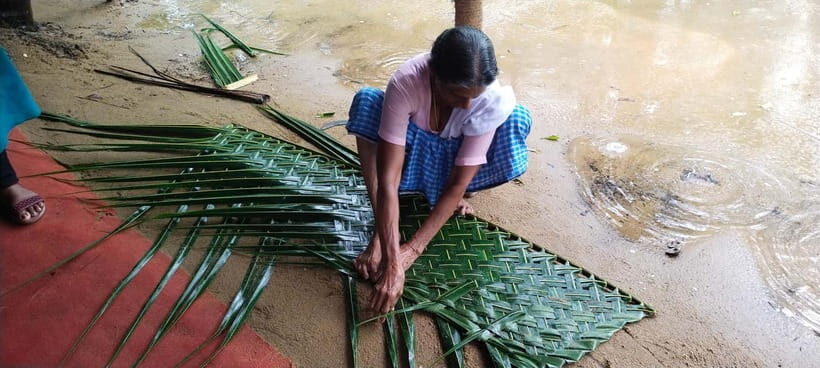
- Women-led cottage industries you can watch: coir spinning, mat weaving, and cotton cloth work.
- Kerala Sadya lunch is included and vegetarian, with a meal that’s treated like an event.
- Tender coconut stop on the water, plus chances to see coconut harvesting and processing.
- Full-day option includes a narrow canal boat after lunch on an open country boat.
- Many Kochi hotels are covered for pickup and drop-off, plus English driver service.
Entering Kochi Backwaters: The Bamboo-Pole Shikara Experience
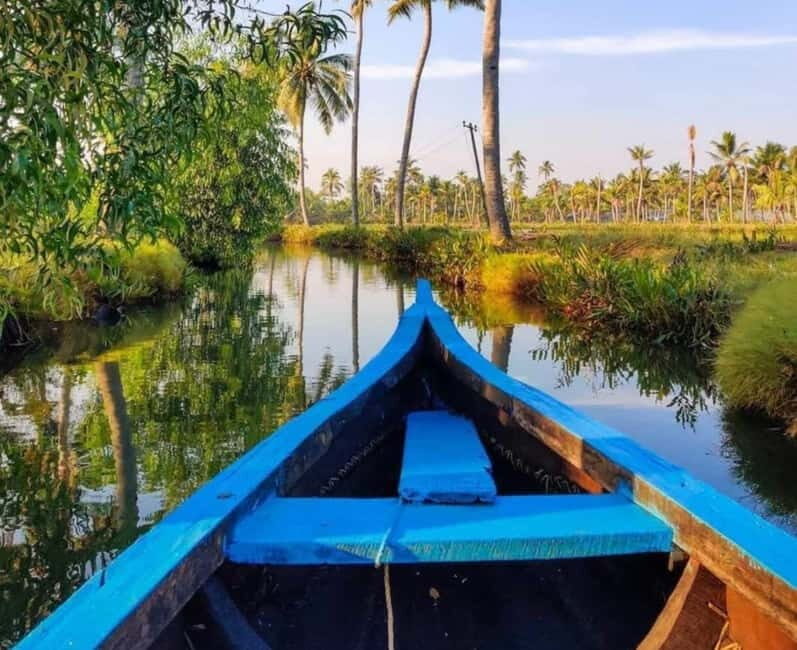
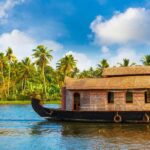
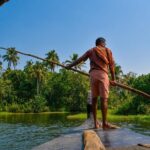
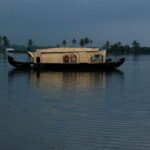
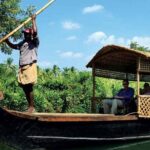
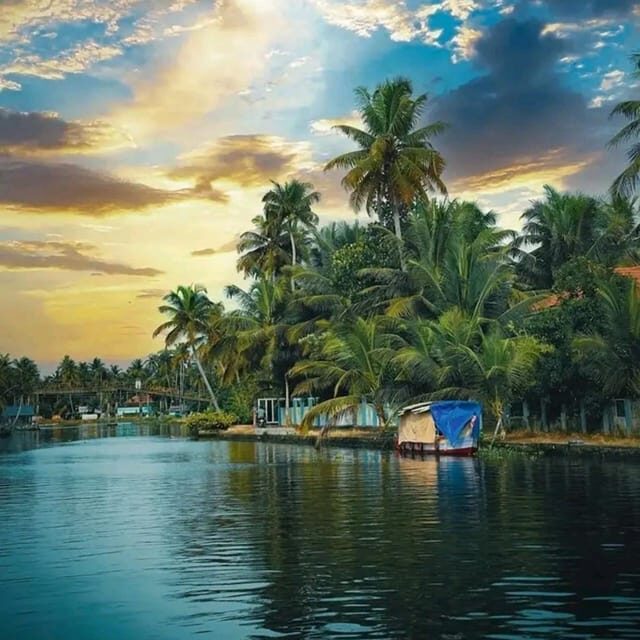
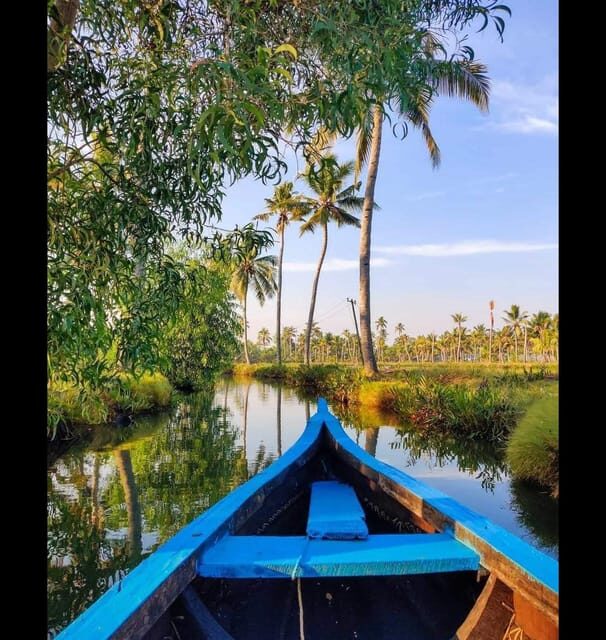
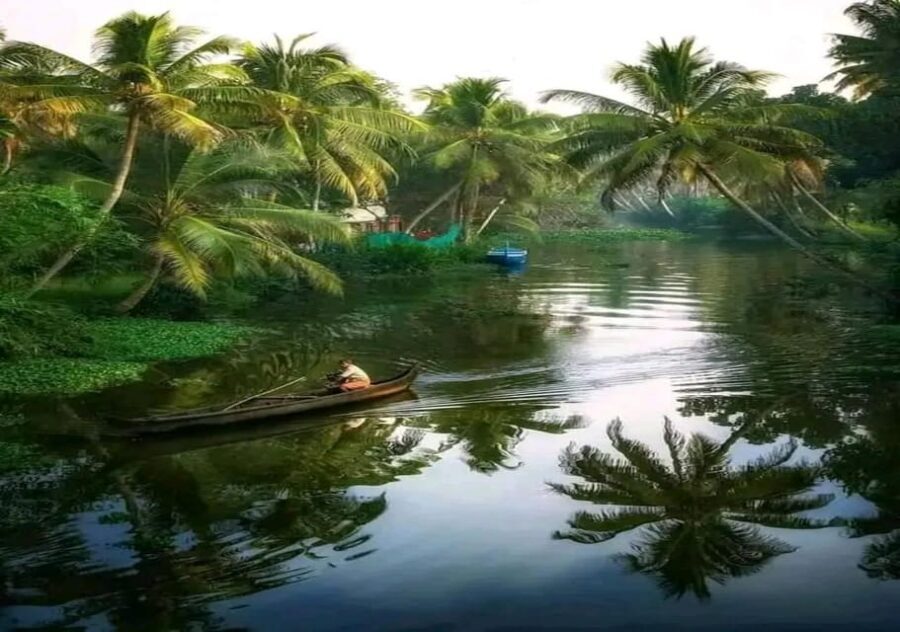
This tour’s signature is the shikara-style country boat, punted the traditional way with long bamboo poles. One of the best parts is the pace: the boat moves gently, and you really notice the rhythm of the water rather than fighting it. The bamboo roof also cools things down a bit and makes the ride feel more like gliding than cruising.
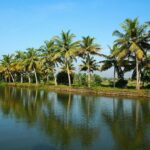
I love the quiet here. In the middle of all that greenery, the background noise stays low—often you’ll hear only birds, with calls like myna or koal cutting through the air. That silence changes how you see Kerala’s backwaters. You’re not racing from photo spot to photo spot. You’re watching locals work and watching the edges of the waterways drift by.
The boat crew also add texture to the trip. The men who punt the boat can pause for tender coconut water, and the whole moment connects to the coconut trees right there in the countryside. You can even see the harvester climbing the tree for fresh fruit. It’s a small stop, but it ties the water to land in a way that feels real.
If you’re the type who likes nature but hates packed tours, this format helps. You’re out on the water long enough to notice details—flora along the banks, small birds overhead, and the way villages sit close to the channels.
Other backwater cruises we've reviewed in Kochi
The Village Stops That Actually Teach You Something
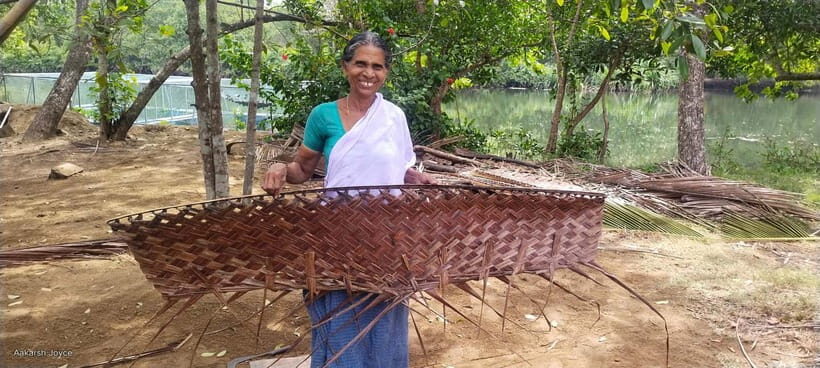
The village portion is built around cottage industries. That matters because you’re not just looking at a craft shop; you’re watching processes—hands moving, fibers prepared, items made.
Coir spinning and rope making from coconut husk
Coir work is a big focus. You’ll see how coconut husk fiber gets extracted and then spun into yarn and rope. Even if you’ve never thought about it before, it clicks quickly: coir is everywhere in Kerala’s water-world, from uses around the home to practical materials in daily life.
You also often get mat weaving demonstrations—thatching-style and sleeping mat type weaving show up in the program. The result is that you come away with a clearer mental map: what you’re seeing on the backwaters and villages isn’t separate from what’s made on shore.
Mat weaving and thatching roof craft
Women involved in weaving are part of the heart of this experience. You may see multiple styles, including mats and thatching roof materials. The pattern work looks simple until you stand close and realize how controlled the hand motions have to be to keep fibers aligned. It’s one of those activities that looks scenic from far away but becomes impressive when you watch long enough.
Copra and coconut oil processing (half-day and full-day options)
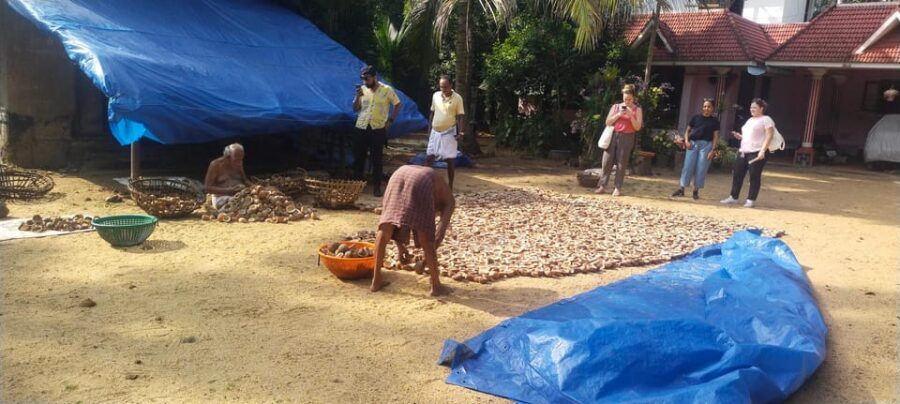
If you choose the half-day program, the village timing can include copra processing, the step used for extracting coconut oil. It’s not a dramatic sight, but it’s educational because it shows the value chain: coconut to husk fiber to coir, and coconut to oil in separate tracks. You’ll also hear about how these activities support local livelihoods.

Arrowroot and herbal/spices garden visits
Half-day experiences may include an herbal and spices garden stop and arrowroot making. That combination helps you understand why Kerala’s villages feel so “productive,” even when the backwaters seem quiet. You’re watching people cultivate and convert plants into everyday resources.
Clam collection and processing
Men’s work shows up too. The program includes watching clam collection and processing. In at least one real-world version of this tour, that processing has been described as connected to calcium powder production from clams. So you may see how an ingredient moves from a water resource into a material used elsewhere.
This is the part I’d highlight if you like contrast. Coir and weaving show craft labor. Clam work shows water-to-product labor. Together, they make the village feel like a living system, not a museum stop.
Cotton Spinning and Handloom Weaving: Why It’s More Than a Photo Stop
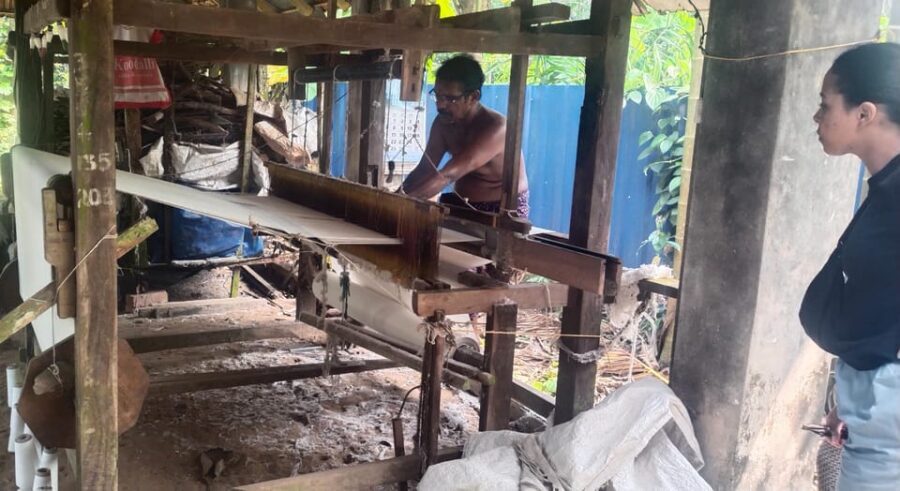
After the backwater cruise, you’ll shift to cotton spinning and weaving—especially in the village home or village activity segments. The idea is to see cloth work up close: fibers prepared, threads spun, and weaving done on handlooms.
If timing works, you may also visit a small cloth weaving center where women weave cotton sarees on handlooms. That’s a nice add-on because it shows that the technique isn’t just a one-time demonstration. You’re seeing ongoing craft production.
One thing to keep in mind: this part of the schedule can depend on whether workers are on a lunch break. The tour is flexible, and if the main weaving workers are taking their meal time, you might see the schedule shift slightly. The upside is that it keeps things realistic. People aren’t putting life on pause just so you can watch.
Kerala Sadya Lunch: Vegetarian, Complete, and Built for Enjoying Slowly
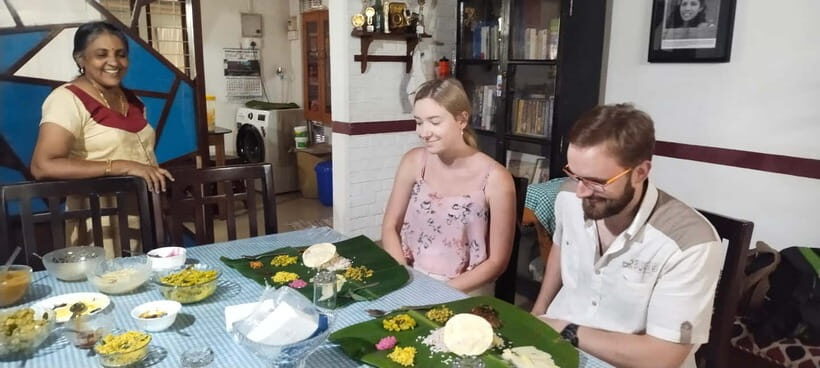
Lunch is included, and it’s one of the strongest reasons this tour feels like value rather than just transportation. You sit for a Kerala Sadya, the traditional vegetarian meal often treated as the national lunch of Kerala.
What makes Sadya special is that it’s not just one dish. It’s a spread, and your table often includes multiple Kerala preparations that taste different from each other. You’ll also learn that a Sadya is part of local culture, not just a way to fill time between boat rides.
The tour format places lunch after the village and/or backwater segments so you’re already ready for food. If you choose the full-day option, lunch is followed by more water time, so you’ll want to eat at a normal pace and not rush through it. In practice, the lunch tends to be filling enough that you won’t need extra snacks right away.
A practical note: drinks aren’t included. So if you want something beyond water, plan on paying for it separately. Also, alcohol and drugs aren’t allowed during the activity, which is good to know if you were hoping to treat the trip like a party day.
Full Day vs Half Day: What Changes in the Water Time
This is where you decide how much you want to see.
5–hour style: more focus on backwaters and village moments
If you pick the shorter option, you still get the core experience: the shikara cruising through Kerala’s backwaters and village craft viewing, including coir and weaving elements. You’ll see the village work and then move back to Kochi without adding extra canal time.
This option is best when you want the backwaters but you also have other Kochi plans later (even dinner plans, if you keep it simple).
7–hour style and full-day rhythm: narrow canal cruising after lunch
With the full-day program, you add more water time after lunch. You’ll go onto a narrow canal exploration on an open country boat. It’s still punted and still slow, but being on an open roof boat changes the feeling: you get more sun and more direct air, so it’s a different kind of experience from the sheltered shikara ride.
This longer format also gives time for extra stops if the schedule allows, including the possibility of a small cloth weaving center. It’s the best choice if you want both the backwater channels and the smaller canal feel.
Half-day afternoon option: village + narrow canal + Sadya
The half-day version is designed around an afternoon flow. You cruise through narrow canals on an open-roof country boat punted with bamboo poles, then stop at points for village activities like coir making (including screwpine mat/sleeping mat style), copra processing, thatching roof mat weaving, arrowroot making, and herbal/spices garden visits. You then enjoy Sadya at a village home before returning to Kochi.
This is a great pick if you’re already planning morning sights in Fort Kochi or Mattancherry and just want the backwaters as your cultural water stop.
Pickup and Drop-Off Around Kochi: Easy Start, No Guessing
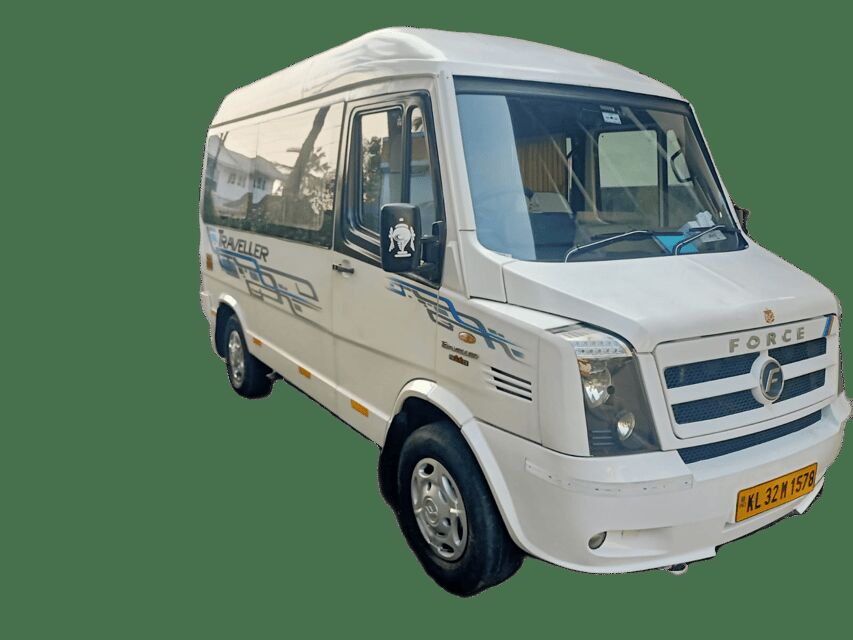
The tour makes transport straightforward. You can get pickup from many Kochi hotels, with a long list including places around Fort Kochi, MG Road, and Ernakulam areas. The driver service is English, and the tour includes transport in a car or van plus parking and road tolls.
That sounds boring on paper, but in Kochi it’s actually a big deal. The backwater experience is far more enjoyable when you don’t lose time figuring out where to meet or how to get back at the end of a long day.
Also, pickup isn’t only limited to central Kochi. If you’re staying elsewhere, you can arrange pickup directly from Kochi, Kottayam, Alappuzha (Alleppey), or Kumarakom. If your itinerary is already centered on Alleppey backwater areas, this can act as a Kochi-side backwater and village day.
Price and Value: What $63 Really Buys
At $63 per person for a 5–8 hour experience, you’re paying for more than a boat ride. The included items are what makes it feel like a solid value:
- transport in a car/van
- shikara hire charges
- guide fee
- lunch (vegetarian Sadya)
- entrances and fees
- parking and road tolls
Drinks are not included, but that’s common for this kind of day. The biggest value question is whether you’re getting enough “experience” beyond the water itself—and you are. The tour combines the backwater cruise with multiple village craft processes (coir, weaving, spinning, and clams), then lands with a proper lunch.
If you like experiences where the boat is just the vehicle to reach real village work, this price makes sense. If you only want the scenic water ride and you’d rather skip village stops, you might feel less satisfied because the craft viewing takes time.
What to Pack (And the One Comfort Tip That Matters)
This isn’t a rugged expedition, but it’s outdoors and it includes village walking.
Bring the basics: passport, and visa if required. The activity also notes that alcohol and drugs aren’t allowed.
For comfort, I’d prioritize:
- shoes with grip for uneven ground near village areas
- sun protection (a hat or sunscreen), since open-boat time is possible on longer options
- something light for warmth in case you feel breezy on the water
One extra practical thought: you’re watching hardworking boat men punt and manage pauses. In hot conditions, it’s smart to be considerate—don’t stomp around near the boat operations, and keep your movement calm and controlled so crew work stays safe and efficient.
Who This Tour Suits Best
You’ll like this if you want:
- a calm backwater boat day that prioritizes local village craft over crowd attractions
- a guide who can explain what you’re seeing in plain language (Arya is a good example of the type)
- an included meal that’s genuinely part of Kerala culture: Kerala Sadya
It’s also a strong choice for first-time visitors to Kochi backwaters who don’t want to hire a boat independently.
You might not love it if:
- you want fast-paced sightseeing all day
- you dislike watching craft processes and prefer big monuments
- you’re going with very young kids or at an age where walking/standing could be difficult (the tour isn’t suitable for children under 3, and there’s an upper age limit listed)
Should You Book This Kochi Backwater-and-Village Tour?
Book it if you want the real Kerala feel: quiet bamboo-pole cruising, village cottage industries you can see up close, and a proper included vegetarian Sadya lunch. The hotel pickup and included transport make it easy, and the craft stops give you something more meaningful than scenery alone.
Skip it only if your main goal is a short scenic boat ride with minimal village time, or if you know you’ll struggle with standing/walking in village areas and uneven surfaces.
If your ideal day is slow, hands-on, and grounded in how people actually live along the water, this is a smart choice.
FAQ
How long is the Kochi backwater cruise and village experience?
The duration is listed as 5 to 8 hours. There are different options, including backwater cruise time options around 5 hours and 7 hours.
Do I get hotel pickup and drop-off?
Yes, pickup and drop-off are offered from a set of Kochi hotels. Transport is included, and pickup can also be arranged from Kochi, Kottayam, Alappuzha (Alleppey), or Kumarakom.
What type of boat will I ride on?
You’ll cruise on a country boat in the backwaters, including shikara-style boats punted using long bamboo poles. Some options also include open-roof country boat and narrow canal exploration.
What village activities are included?
You’ll visit a village where you can watch mat weaving and coir spinning, including coconut husk fiber extraction and coir yarn/rope making. The program may also include cotton cloth spinning and weaving, and you can see activities related to coir making, copra processing, thatching mat weaving, arrowroot making, herbal and spices gardens, and clam collection/processing.
Is lunch included, and what is it?
Yes. Lunch is included and it’s a vegetarian Kerala Sadya, served at a village home or a chosen mess.
Are drinks included?
No. Drinks are not included.
Is alcohol allowed?
No. Alcohol and drugs are not allowed on this activity.