REVIEW · KOCHI
Home Meal Experience
Book on Viator →Operated by Grandma's Kitchen Kochi · Bookable on Viator
One-hour Japanese home cooking beats most restaurant meals for sheer comfort. At Grandma’s Kitchen in Kochi, you eat what Japanese families actually make at home: simple, balanced food built around seasonal ingredients and real kitchen warmth. It’s also set up for a relaxed visit, with a mobile ticket and easy plans right after for Kochi Castle or Hirome Market.
Two things I really like about this meal: the chance to cook and share the table with Mieko and Haruka, and the focus on seasonal, wholesome home-style flavors instead of fussy presentation. You also get the practical bonus of lunch already included, so your money goes straight to the meal rather than add-ons.
One consideration: the menu changes with the seasons, so you won’t get to pick exact dishes in advance. If you’re traveling with very specific must-eat items, this might feel a little less predictable.
In This Review
- Key highlights to look for
- Kochi home cooking, not restaurant performance
- Mieko and Haruka: a kitchen welcome you can feel
- How the 12:00 lunch runs (about one hour)
- Seasonal ingredients and the comfort factor
- What you actually eat for lunch
- Drinks and sake: what is included, what isn’t
- After lunch: Kochi Castle or Hirome Market in about 5 minutes
- Price and group size: why $150 can be fair value
- Who should book Grandma’s Kitchen
- Who might want a different option
- Should you book this home meal in Kochi?
- FAQ
- Where does the experience start?
- What time does it start?
- How long does the meal take?
- What is included in the price?
- Are alcoholic beverages included?
- Is this a small group experience?
- Will I get a ticket on my phone?
- Is there any confirmation after booking?
- How close is this to things to see after lunch?
- Does it end where it started?
- What’s the cancellation setup?
Key highlights to look for
- Mother-daughter hosting with Mieko and Haruka that makes the kitchen feel like your own
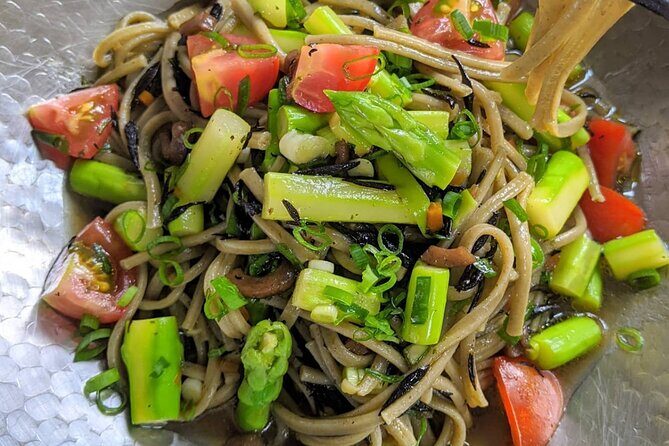
- Seasonal home cooking, with plenty of vegetables and traditional recipes
- Hands-on prep included as part of the lunch experience
- Small group size (max 15) for a calmer, more personal meal
- Lunch included in the price, while alcohol isn’t
- Easy follow-up sightseeing, including a short walk to Kochi Castle or Hirome Market
Kochi home cooking, not restaurant performance
This is Japanese food at its most everyday. The point here is balance: foods that feel gentle, satisfying, and not overly showy. In many Japanese restaurants, you’ll see careful plating and refined technique. Here, the emphasis is on warmth, comfort, and getting the flavors right the way families do at home.
That matters in real travel terms. When you’re trying new flavors in a new place, restaurant meals can sometimes be a blur of sauces, menus, and social pressure. A home meal format is steadier. You eat familiar structures—rice, vegetable-focused sides, and traditional dishes—then you walk away understanding what Japanese home cooking tastes like when it’s built for daily life.
Other cooking classes and food tours we've reviewed in Kochi


Mieko and Haruka: a kitchen welcome you can feel
The meal starts with people, not props. The hosts are Mieko and Haruka, a mother-daughter team, and the vibe is genuinely welcoming. From the first moments, the atmosphere is about making you comfortable, guiding you through what to do, and encouraging you to be part of the kitchen rhythm instead of just watching.
In the reviews, this hospitality shows up again and again. People talk about feeling at ease right away and enjoying the fun of working together as a small group, often as a couple plus the hosts. That’s the magic with this format: you’re not stuck in a crowded dining room, and you’re not alone either. You’re treated like someone joining the family meal.
Also, the group limit is small—up to 15. That’s not a tiny detail. A smaller group means you get clearer attention, less waiting, and more time for the back-and-forth that turns dinner into a story.
How the 12:00 lunch runs (about one hour)
Plan around a midday start. The experience begins at 12:00 pm and lasts about one hour. You’ll receive a mobile ticket, and the activity starts and ends back near the meeting point, so you don’t have to figure out transportation twice.
Your best mindset is to treat the meal like a relaxed cooking class that ends in lunch. You’ll be guided through meal prep, then you’ll sit down to eat the lunch you helped make. Since lunch is included, your time is focused on the cooking, the meal, and the conversation—without the awkward moment where you realize you’re still missing the point of the price.
And because this is Kochi, don’t rush off immediately. The whole setup is designed for you to eat, then take your next step into sightseeing nearby. When a tour makes it easy to connect food and place, you actually remember more of both.
Seasonal ingredients and the comfort factor

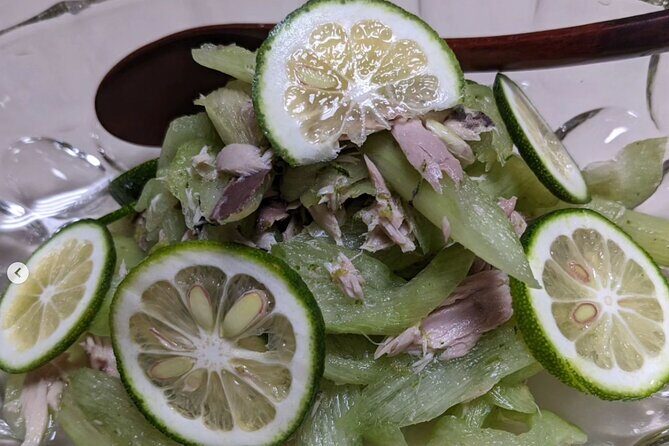
Home cooking is not about complexity. It’s about ingredients, timing, and everyday good sense. Here, the menu changes with the seasons and uses fresh, locally sourced ingredients. That means your lunch is likely to reflect what’s at its best right now, including seasonal greens and vegetable-heavy dishes.
One detail I’d keep in mind from what you’ll learn during the meal: you’ll be working with ingredients described as natural and pesticide-free. That gives the whole experience an extra layer of trust. When you’re taste-testing your work, it’s easier to appreciate flavor because you’re not wondering what was sprayed or processed.
What you get from the food itself is also part of the value. Home-style meals are built for balance, not just taste. You should expect a lunch that feels nourishing and satisfying without being heavy. It’s the kind of meal that makes your afternoon sightseeing easier, not harder.
What you actually eat for lunch
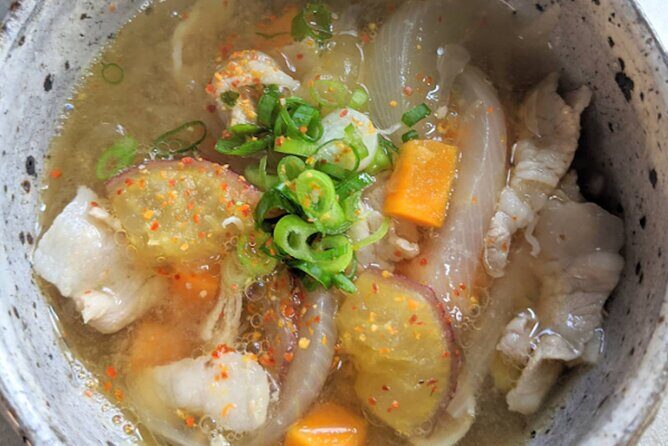
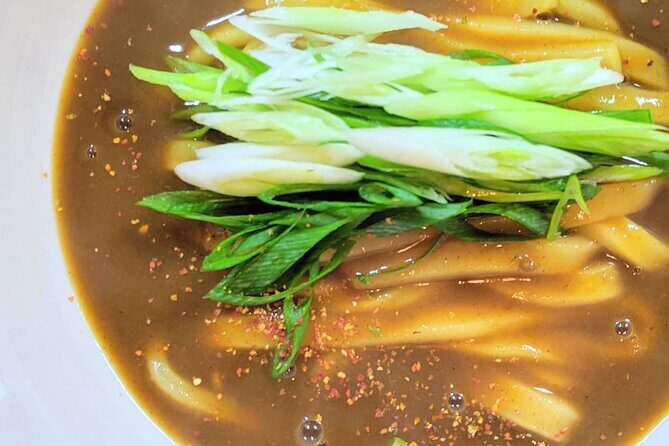
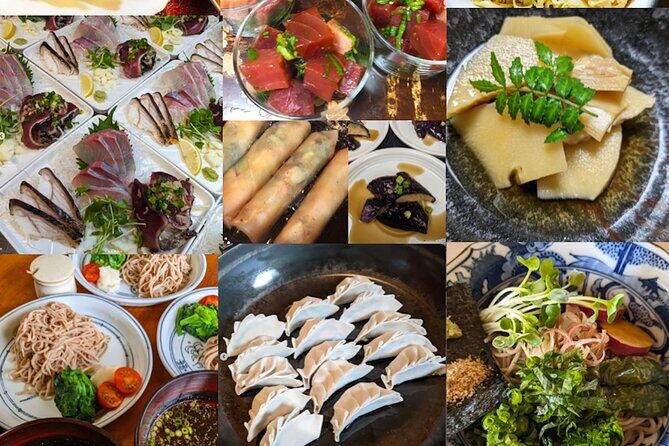
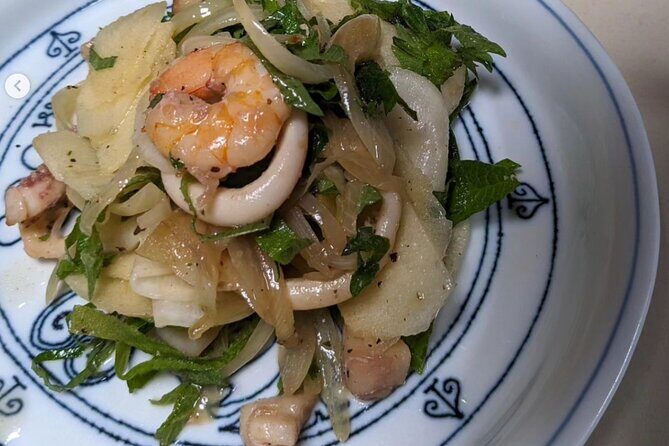
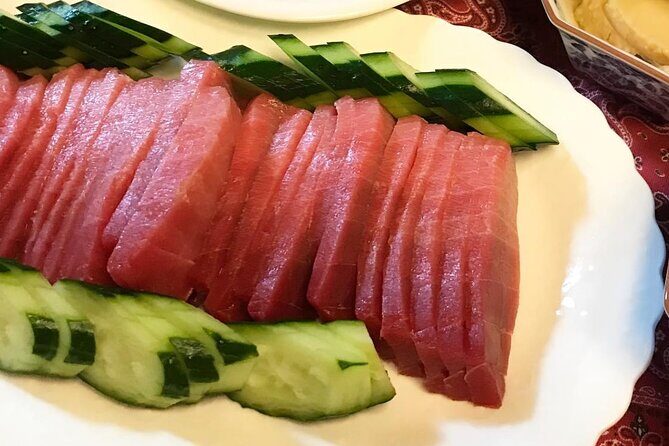
You’re not just served a single plate. You’ll prepare a variety of dishes together, then enjoy lunch as the result. The home-cooking approach usually means multiple components—enough to make the meal feel complete rather than like a snack dressed up as a lunch.
The exact dishes can shift, since the menu is seasonal. But you can plan to experience traditional recipes built around vegetables and seasonal ingredients. This is where the experience becomes educational in a non-lecture way: you learn how everyday Japanese home meals are structured by actually participating.
A small practical tip: eat slowly and pay attention to how flavors change across dishes. Home cooking often relies on subtle seasoning and gentle balance. If you scarf everything down like you’re speed-running lunch, you’ll miss the point of the meal.





Drinks and sake: what is included, what isn’t
Lunch is included. Alcoholic beverages are not. If you’re interested in local sake, the information you get indicates you can enjoy sake tasting in another course, not as part of the included lunch.
So here’s the practical way to plan: if you want alcohol, be ready to add it separately elsewhere. If you don’t care about sake, you’re totally fine—this tour price covers the meal itself, and the focus stays on cooking and eating.
After lunch: Kochi Castle or Hirome Market in about 5 minutes
One of the smartest parts of this experience is how it connects to Kochi’s sights. After your meal, you can take a short 5-minute walk to visit Kochi Castle, or you can head to Hirome Market, one of the city’s most popular local spots.
This kind of pairing works well because it keeps your day logical. You eat, then you move straight into exploring the city’s public food culture. Hirome Market is especially useful if you want to graze and keep your energy up, since it’s a local food hub rather than a one-and-done restaurant.
Practical move: after an hour in a kitchen, you’ll likely want fresh air and easy strolling. Wear comfortable shoes. You’ll appreciate the short walk more when you’re not tired from long transfers.
Price and group size: why $150 can be fair value
Let’s talk money without hand-waving. At $150 for about one hour with lunch included, this isn’t a budget snack. But the value comes from what you’re getting: a meal you helped prepare, a home-style menu tied to seasonality, and hosting that keeps the experience personal.
The small group size (max 15) matters here. A meal with more attention from the hosts costs less per person than you’d expect, because the experience is built for interaction, not just serving plates. If you’ve ever done a standard restaurant reservation where you pay for food but don’t really learn how it comes together, this is a different category.
You’re paying for participation. If you like hands-on activities and you value food you can place in context—where it came from, why it fits the season—then $150 can feel like a reasonable travel trade. If you only want to eat without any prep, you may decide the price is higher than you want for a single lunch.
Who should book Grandma’s Kitchen
This fits best if you want more than a pass-by meal. I think it’s a great choice for:
- Couples or small groups who like calm, friendly hosting
- First-timers in Japan who want everyday food culture, not just tourist highlights
- Food lovers who appreciate seasonal cooking and vegetables
- Travelers who enjoy participating, not only observing
If you’re traveling with a strict schedule, this also works well. A one-hour lunch with a set start time at 12:00 pm, then easy walking options after, is a clean structure for a day in Kochi.
Who might want a different option
You might skip it if:
- You need complete control over your exact menu and don’t want seasonal variation
- You prefer purely observational tours and don’t want hands-on cooking steps
- You’re only interested in alcohol-focused tastings, since alcoholic beverages aren’t included here
For everyone else, the format is usually a win because it gives you food plus meaning, without making the day complicated.
Should you book this home meal in Kochi?
My honest take: book it if you want a genuinely local-feeling lunch that teaches you how Japanese home cooking is built. The combination of Mieko and Haruka’s hospitality, hands-on prep, seasonal ingredients, and lunch included makes this a practical way to experience Kochi through daily life.
Don’t book it if your priority is just eating the biggest variety of dishes for the lowest price, or if you only want restaurant-style presentation. Home meals are simpler by design. The reward is comfort and connection, not flash.
If you want a day that flows—cook, eat, then walk to Kochi Castle or Hirome Market—this is one of the easiest ways to make that happen.
FAQ
Where does the experience start?
It starts at KanauJapan, 780-0841 Kochi, Obiyamachi, 1-chōme1313 ビ・ウェル帯屋町 1F おびさんロード (in the おびさんロード area).
What time does it start?
The start time is 12:00 pm.
How long does the meal take?
The experience lasts about 1 hour.
What is included in the price?
Lunch is included.
Are alcoholic beverages included?
Alcoholic beverages are not included. Local sake tasting is offered in another course.
Is this a small group experience?
Yes. The maximum group size is 15 travelers.
Will I get a ticket on my phone?
Yes, you use a mobile ticket.
Is there any confirmation after booking?
Confirmation is received at the time of booking.
How close is this to things to see after lunch?
You can take a short 5-minute walk to Kochi Castle, or you can visit Hirome Market after the meal.
Does it end where it started?
Yes, the activity ends back at the meeting point.
What’s the cancellation setup?
The experience is non-refundable and cannot be changed. If it’s canceled because a minimum traveler number isn’t met, you’ll be offered a different date/experience or a full refund.